


King Salmon Exporters: How Global Seafood Buyers Can Identify Reliable Partners for Consistent Supply and Premium Quality
Procurement teams rarely struggle to find companies claiming to be King Salmon exporters. The greater challenge is identifying suppliers that consistently deliver premium products, maintain strict quality standards, provide complete export documentation, and manage international logistics without disruption. A single shipment that arrives outside specification can affect production schedules, retail programs, customer satisfaction, and overall profitability.
For seafood importers, wholesale seafood distributors, supermarket procurement managers, foodservice buyers, and seafood processors, selecting King Salmon exporters requires a structured procurement strategy rather than a simple price comparison. Product consistency, traceability, processing standards, and supply reliability ultimately determine whether a supplier contributes to long-term business success.
As international seafood markets continue to expand, buyers increasingly expect suppliers to demonstrate transparency throughout the supply chain. They also seek partners capable of managing sourcing, processing, export compliance, and refrigerated logistics while maintaining consistent quality across every shipment.
What King Salmon Exporters Should Actually Deliver
Professional King Salmon exporters provide considerably more than frozen or chilled seafood. Successful exporters manage every stage of the supply chain to reduce procurement risk while ensuring product integrity from harvest to final destination.
Reliable sourcing begins with responsible aquaculture or carefully managed wild fisheries, depending on product origin and customer specifications. Experienced suppliers maintain strict harvesting protocols that support consistent quality, food safety, and sustainable resource management.
Processing standards play an equally important role. A reputable fresh salmon supplier processes fish promptly after harvest using modern facilities designed to preserve freshness, texture, color, and nutritional value. Controlled temperatures, hygienic production environments, and standardized processing procedures help maintain premium quality throughout production.
Export management represents another critical capability. Professional Salmon exporters coordinate veterinary health certificates, certificates of origin, commercial documentation, customs requirements, and destination-specific import regulations before shipments leave the processing facility. Accurate documentation reduces customs delays and protects product quality during international transportation.
Quality assurance extends beyond visual inspections. Leading exporters perform microbiological testing, monitor product temperatures continuously, verify packaging integrity, and inspect finished products before loading refrigerated containers. These procedures minimize operational risks while supporting consistent customer satisfaction.
Efficient logistics complete the process. Whether shipping to seafood importers in the United States, wholesale buyers in Europe, distributors in the UAE, or processors across Asia, dependable cold-chain management preserves product quality until delivery.
Why King Salmon Exporters Remain in Demand
Global demand for premium salmon continues to strengthen because buyers increasingly prioritize product consistency, dependable availability, and recognized quality standards. As a result, experienced King Salmon exporters remain essential partners within international seafood supply chains.
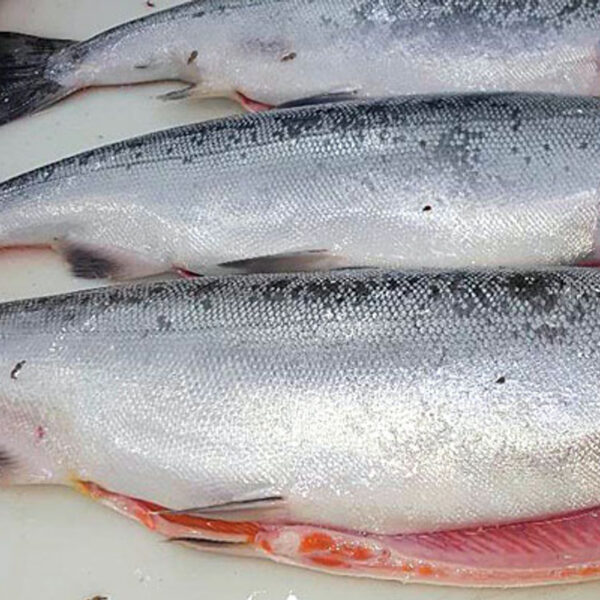
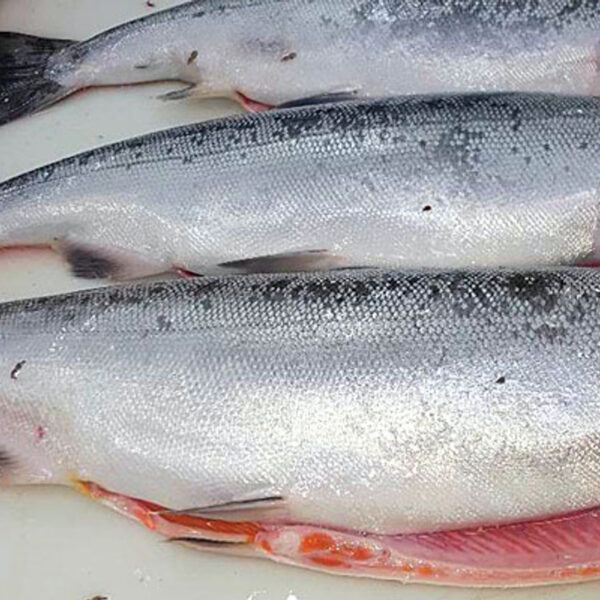
King salmon enjoys a premium market position due to its rich flavor, attractive appearance, and excellent texture. Restaurants value its presentation, retailers appreciate its consumer recognition, and processors benefit from predictable yields and uniform specifications.
Advanced aquaculture standards have further strengthened buyer confidence. Many producers invest heavily in fish health management, environmental stewardship, responsible feeding programs, and continuous quality monitoring. These practices contribute to stable production throughout the year.
International buyers also benefit from the strong reputation established by fresh salmon Exporters Norway and other leading producing regions. Their experience in seafood sourcing, export compliance, and quality assurance provides confidence for procurement teams operating in highly competitive markets.
Reliable year-round availability further distinguishes premium salmon from more seasonal seafood products. Consistent supply enables distributors and retailers to maintain stable inventory levels while reducing procurement uncertainty.
Key Buying Factors When Comparing Suppliers
Selecting among various King Salmon exporters requires a disciplined supplier evaluation process. Procurement professionals should assess operational performance across multiple areas rather than focusing solely on product pricing.
Product specifications should be clearly defined before purchase agreements are finalized. Buyers should confirm species identification, grading standards, size ranges, trimming specifications, glazing percentages, packaging formats, freezing methods, and labeling requirements. Clear specifications reduce misunderstandings while supporting consistent deliveries.
Working with a factory direct seafood supplier often improves transparency throughout the procurement process. Direct relationships simplify communication, reduce intermediary costs, and provide better visibility into production scheduling and inventory availability.
Traceability has become an essential procurement requirement across international seafood markets. Buyers increasingly expect suppliers to document farming or harvesting locations, processing facilities, batch numbers, and transportation history. Comprehensive traceability strengthens food safety while supporting regulatory compliance.
Export documentation deserves equal attention. Experienced seafood import supplier operations maintain standardized documentation systems that satisfy customs authorities across multiple international markets. Complete paperwork minimizes clearance delays and reduces financial risk.
Cold-chain integrity remains one of the strongest indicators of supplier professionalism. Continuous temperature monitoring during processing, storage, transportation, and export protects product quality while preserving shelf life.
Production capacity also influences supplier performance. Buyers should evaluate whether suppliers can accommodate seasonal demand increases without compromising product specifications or delivery schedules. Reliable production planning supports stable procurement operations throughout the year.
Finally, quality consistency distinguishes market leaders from average suppliers. Standardized production procedures, employee training, rigorous inspections, and continuous improvement programs create predictable outcomes that procurement teams can rely upon.
Why Factory Pricing Matters—but Only in Context
Competitive pricing naturally attracts procurement professionals evaluating King Salmon exporters, but experienced buyers understand that the lowest unit cost rarely produces the lowest total procurement expense.
Total landed cost provides a far more meaningful financial measurement. This calculation includes freight charges, customs clearance, insurance, storage expenses, inspection costs, inventory losses, and potential delivery delays. Lower purchase prices can quickly become more expensive if shipments arrive late or fail quality inspections.
An experienced frozen seafood exporter often delivers greater long-term value by minimizing operational disruptions. Reliable quality reduces product waste, improves customer satisfaction, and lowers inventory management costs.
Similarly, suppliers offering frozen seafood wholesale programs frequently create additional efficiencies through consolidated shipments, stable production schedules, and predictable lead times. These operational advantages often outweigh small differences in product pricing.
Successful procurement decisions balance price with supply reliability, logistics performance, documentation accuracy, and product consistency.
How Different Buyers Evaluate Suppliers
Although every organization purchases salmon, each customer segment evaluates King Salmon exporters according to different operational priorities.
Supermarket procurement managers emphasize visual quality, retail-ready packaging, accurate labeling, food safety certifications, and dependable delivery schedules. Consistent product presentation directly influences consumer purchasing decisions.
Restaurants prioritize freshness, flavor, portion consistency, and reliable weekly supply. Menu planning depends on predictable deliveries that support uninterrupted service throughout the year.
Seafood importers generally focus on export documentation, customs compliance, production capacity, freight coordination, and supplier responsiveness. Efficient logistics reduce delays while improving inventory planning.
Wholesale salmon distributors evaluate suppliers based on pricing stability, consistent specifications, flexible order volumes, and the ability to serve multiple customer categories. Reliable supply allows distributors to meet diverse market demands without excessive inventory risk.
Seafood processors assess raw material quality, fillet yields, trimming consistency, production flexibility, and manufacturing efficiency. Uniform raw materials reduce waste while improving production performance.
Despite these different priorities, every buyer benefits from transparent communication, dependable logistics, and consistent quality.
Warning Signs of Unreliable Suppliers
Identifying potential problems before signing procurement agreements protects buyers from unnecessary operational risks.
One of the clearest warning signs is vague information regarding product origin. Professional King Salmon exporters clearly identify harvesting locations, farming practices, processing facilities, and product specifications.
Poor documentation presents another significant concern. Missing certificates or inaccurate export paperwork frequently cause customs delays that compromise cold-chain performance and increase logistics costs.
Inconsistent product specifications should also raise concern. Reliable suppliers provide detailed documentation covering grading, sizing, glazing, packaging, labeling, and freezing methods before production begins.
Weak communication often predicts future service issues. Suppliers that respond slowly during negotiations frequently struggle to resolve urgent operational challenges once commercial agreements are active.
Heavy dependence on intermediaries can reduce supply-chain visibility. Buyers typically gain greater transparency when working directly with processors or experienced factory-direct suppliers capable of managing production and exports independently.
Procurement teams should also review supplier certifications, historical shipment performance, customer references, and quality management systems before establishing long-term purchasing relationships.
Why Long-Term Partnerships Outperform Spot Buying
Spot purchasing occasionally helps buyers respond to unexpected shortages, but sustainable procurement strategies generally depend on long-term relationships with trusted King Salmon exporters.
Consistent purchasing enables suppliers to forecast production requirements more accurately. Better planning improves harvesting schedules, processing efficiency, inventory management, and export logistics.
Long-term partnerships also contribute to pricing stability. Rather than reacting to short-term market fluctuations, buyers and suppliers can negotiate structured purchasing agreements that support predictable budgeting.
Inventory management becomes more efficient when suppliers understand customer purchasing cycles and seasonal demand patterns. Reliable forecasts reduce emergency purchasing while improving warehouse utilization.
Communication also improves over time. Established partnerships encourage proactive planning, faster issue resolution, and continuous operational improvements that benefit both parties.
Quality consistency strengthens as suppliers become familiar with customer specifications, packaging preferences, documentation requirements, and delivery expectations. This shared understanding reduces errors while supporting dependable procurement performance.
Companies such as Nordpoll Seafood build their model around factory-direct sourcing, premium Norwegian seafood, and export-ready logistics. Their approach reflects the broader industry trend toward transparency, operational consistency, and long-term supply relationships rather than transactional sales.
Building a Procurement Strategy for Sustainable Growth
Selecting the right King Salmon exporters should support broader business objectives instead of addressing only immediate purchasing needs. Organizations that evaluate suppliers through comprehensive performance criteria build stronger, more resilient supply chains capable of adapting to changing global markets.
Effective seafood sourcing balances product quality, logistics performance, production capacity, traceability, documentation accuracy, and communication. Together, these factors determine procurement success far more effectively than purchase price alone.
Regular supplier performance reviews help procurement teams measure on-time delivery, product conformity, documentation accuracy, responsiveness, and customer satisfaction. These metrics support continuous improvement while strengthening long-term sourcing decisions.
As international seafood trade becomes increasingly competitive, buyers benefit from suppliers that combine advanced processing capabilities with dependable export experience. Strong operational foundations reduce procurement risk while supporting sustainable commercial growth.
Conclusion
Choosing among King Salmon exporters requires careful evaluation of operational capability, quality management, export expertise, and long-term reliability. The strongest suppliers consistently deliver premium products supported by responsible sourcing, modern processing, complete documentation, and dependable cold-chain logistics.
Whether supplying seafood importers, wholesale salmon distributors, supermarkets, restaurants, or seafood processors, reliable exporters create value through transparency, consistency, and professional execution. Companies that prioritize these qualities build stronger supply chains, reduce operational risk, and improve customer satisfaction. When evaluating King Salmon exporters, procurement professionals consistently achieve better long-term outcomes by selecting dependable partners rather than simply accepting the lowest quoted price.





Reviews
There are no reviews yet.