
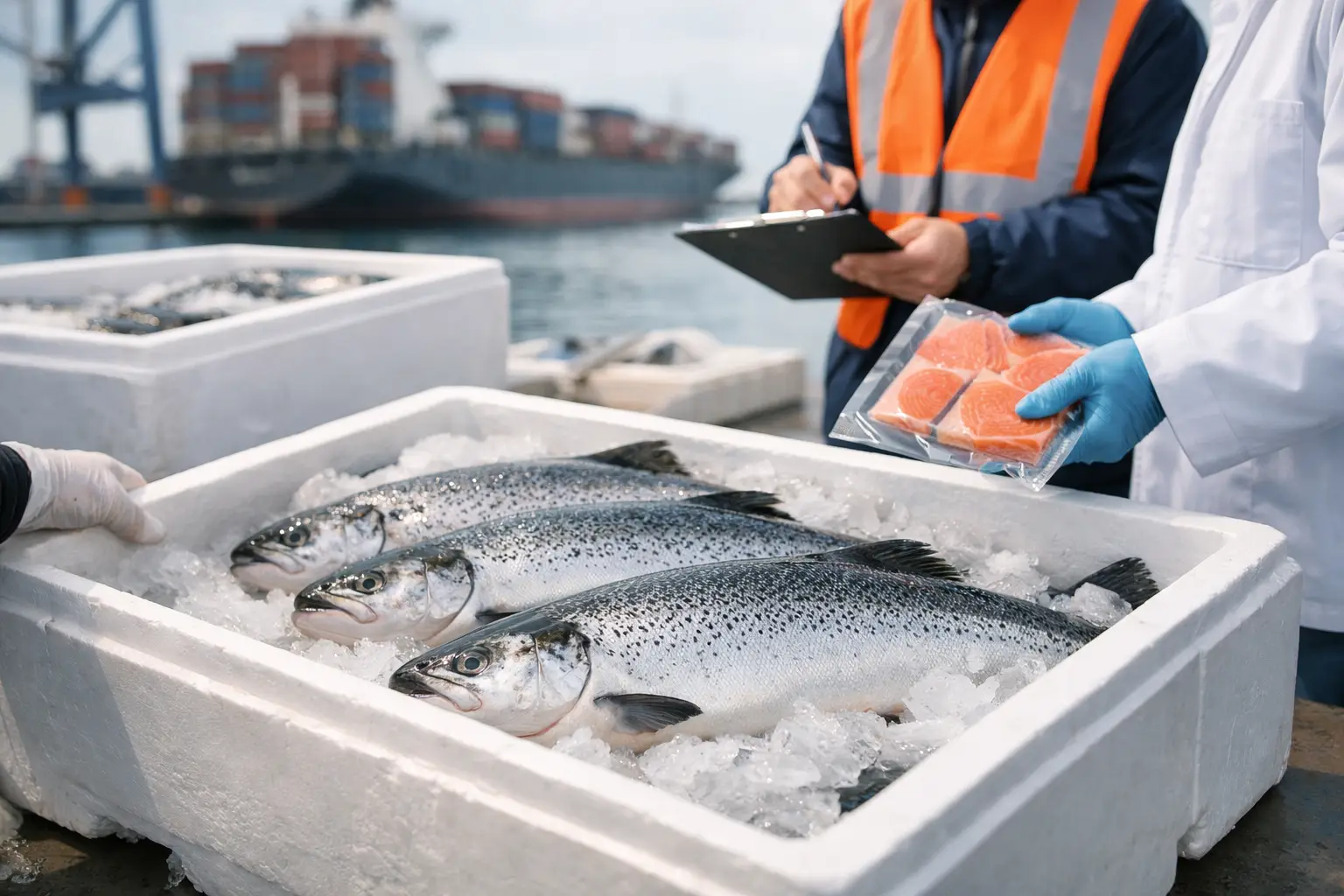
For a U.S. seafood buyer, knowing how to import salmon is not simply a matter of finding a low FOB price. The real commercial decision is whether the supplier can deliver the exact product specification, documentation, temperature control, and shipment consistency your business needs. A container of Norwegian salmon only creates value when it arrives saleable, compliant, and aligned with your planned margin.
For supermarkets, distributors, foodservice groups, and industrial processors, direct importing can reduce intermediary costs and improve access to premium seafood. It also places more responsibility on the importer. The most successful programs are built around verified suppliers, clear product specifications, capable customs support, and a cold chain that is managed from factory dispatch through final delivery.
How to Import Salmon: Build the Supply Plan First
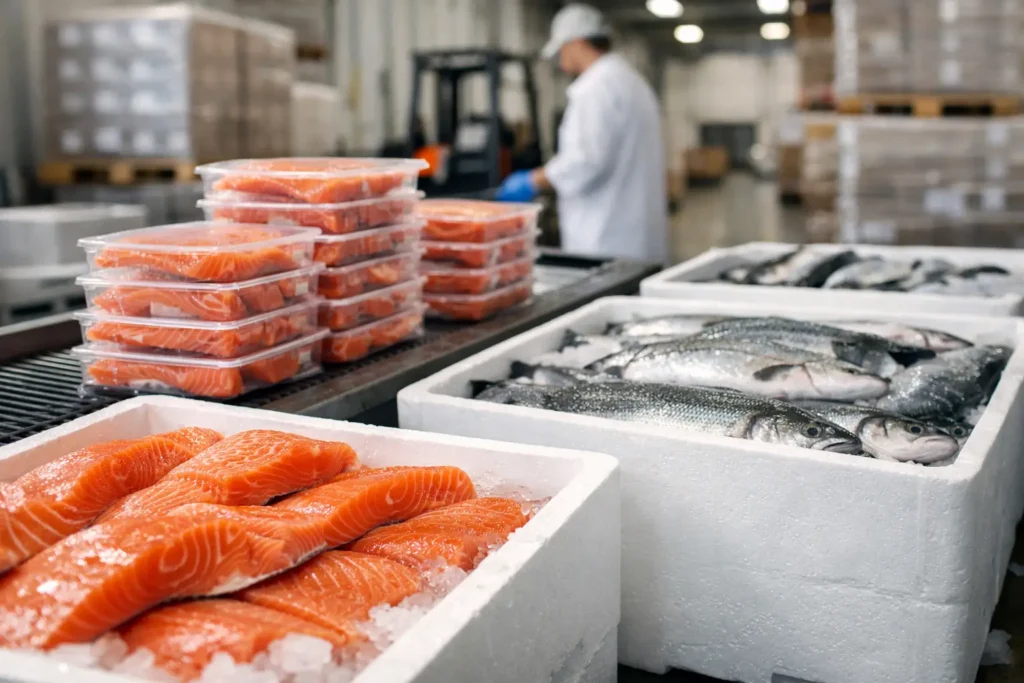
Start with demand, not availability. Define the volume you need per week, month, or season; the intended sales channel; and the format that fits your operation. Fresh whole salmon may suit a distributor serving independent restaurants, while frozen portions or trimmed fillets may better support retail and processing programs. HOG salmon, whole gutted fish, fillets, loins, and value-added cuts each create different yield, handling, and pricing considerations.
Your specification should be detailed enough that a processor, freight forwarder, and receiving team all understand the same product. Confirm species, origin, farm standard, weight range, trim level, packaging configuration, glaze where applicable, target shelf life, labeling requirements, and required temperature range. If your business buys fresh salmon, establish the acceptable production date and remaining shelf life at delivery, not only at factory departure.
Forecasting matters as much as specification. Salmon pricing can move with harvest volume, feed costs, seasonal demand, currency conditions, freight capacity, and market demand in Europe, Asia, and North America. A spot purchase can work for a short-term need, but regular buyers generally benefit from an agreed supply framework that identifies volume expectations, product mix, delivery windows, pricing mechanics, and procedures when supply conditions change.
Qualify the Supplier and Product Source
A factory-direct supplier can offer a meaningful cost advantage by removing layers of brokerage and domestic handling. That advantage is only useful when the supplier has dependable access to certified farms and approved processing capacity. Ask how the supplier controls origin, production scheduling, grading, packing, and export documentation. A sales quotation alone does not demonstrate supply security.
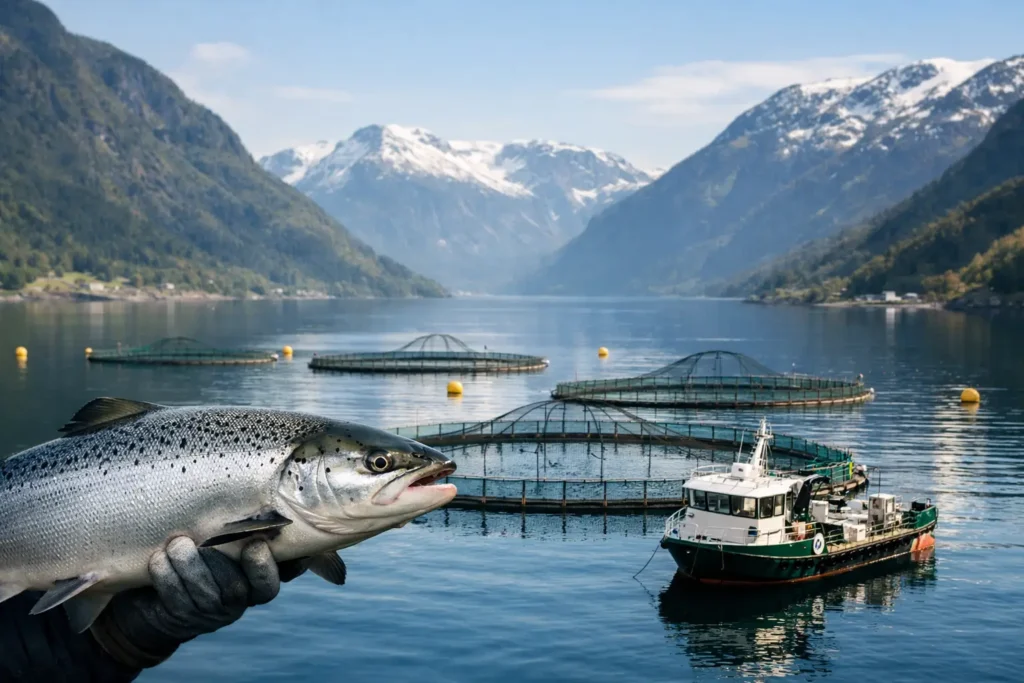
For farmed Norwegian salmon, traceability should connect the finished shipment back through the processing facility and farm source. Professional buyers should request lot-level records, harvest and processing information, product certificates where relevant, and details of the quality systems used by the farm and processor. Certification requirements depend on your customers. A national retailer may require particular third-party standards, while a foodservice distributor may focus on internal vendor approval, food safety records, and consistent sensory quality.
Supplier approval should also cover practical performance. Review the factory’s ability to produce your required size bands and cuts at commercial volume. Confirm whether product is packed to your preferred carton weight and pallet pattern. Discuss substitution rules before an order is placed. If the specification calls for 5-6 kg HOG salmon, a shipment dominated by smaller fish may disrupt customer commitments even when the overall quality is good.
Verify food safety controls
Imported seafood for the United States is subject to FDA requirements, and foreign seafood processors serving the U.S. market should operate under applicable seafood HACCP controls. The U.S. importer also has responsibilities under the Foreign Supplier Verification Program, commonly known as FSVP. Your compliance process should verify that the foreign supplier produces food with the required safety controls and that the records supporting that verification are maintained.
Work with qualified regulatory, customs, and food safety professionals to confirm the requirements for your particular product, origin, and importing entity. Rules can differ based on whether salmon is fresh or frozen, whole or further processed, and whether a shipment includes additional ingredients or value-added preparation. Treat compliance as part of procurement, not as an afterthought assigned to the logistics team after production is complete.
Calculate Landed Cost, Not Just Product Price
The factory price is a starting point. To compare suppliers accurately, calculate landed cost per pound or kilogram in the condition you will sell. This includes the product price, inland transport to the port or airport, export handling, international freight, marine or cargo insurance, customs brokerage, duties and fees where applicable, inspection or examination exposure, cold storage, domestic delivery, and anticipated loss or shrink.
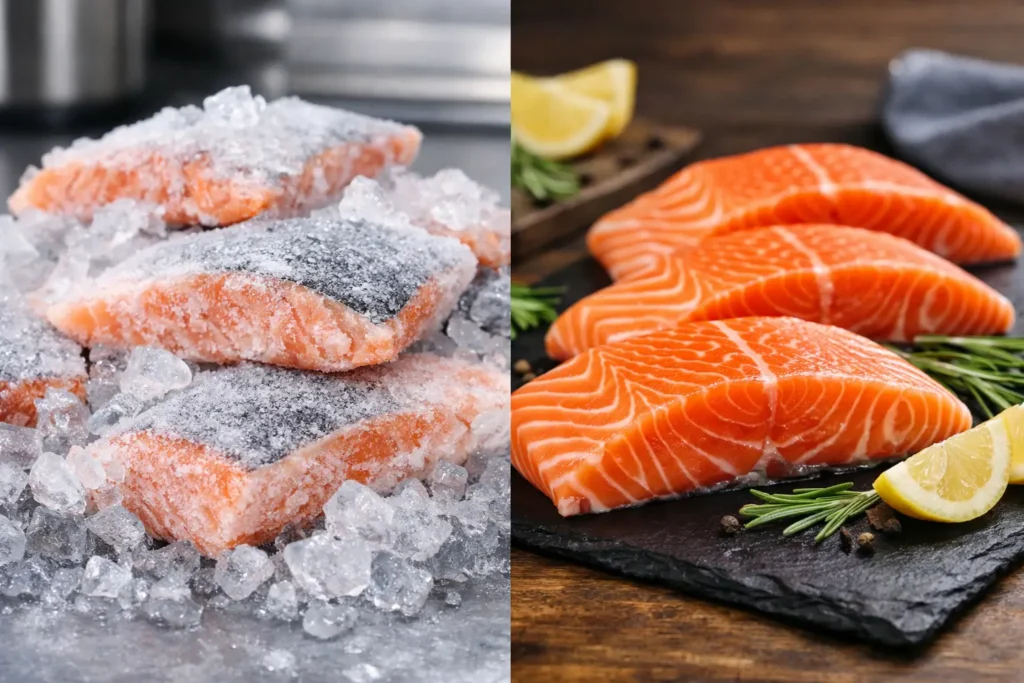
Fresh and frozen programs should be evaluated differently. Fresh airfreight can support premium retail and restaurant demand, but speed comes with a higher transport cost and tighter receiving requirements. Frozen container shipments normally offer a lower freight cost per pound and greater inventory flexibility, but require adequate order volume, freezer capacity, and longer lead-time planning. Neither model is universally better. The right choice depends on turnover, customer expectations, storage economics, and the level of supply risk your business can absorb.
Currency is another commercial factor. Norwegian seafood may be quoted in euros, U.S. dollars, or Norwegian krone depending on the supplier and contract structure. Clarify the currency, payment timing, and any price-adjustment mechanism. A favorable product quote can become less favorable when exchange rates move between confirmation and payment.
Prepare U.S. Import Documentation and Entry
Every shipment needs documentation that accurately matches the product and commercial terms. Your customs broker can help determine tariff classification, entry requirements, and the data needed for U.S. Customs and Border Protection and FDA filing.
For food shipments, FDA prior notice must be submitted before arrival in accordance with the applicable timing requirements. Errors in product descriptions, manufacturer details, quantities, or shipment references can delay clearance. Delays are especially expensive for fresh salmon because every hour affects available shelf life and may create downstream claims.
A reliable import setup includes a customs broker experienced in refrigerated food, a freight forwarder familiar with seafood movements, and a customs bond and importer registration structure appropriate for your company.
Protect the Cold Chain From Factory to Receiving Dock
Temperature control is a quality system, not a single temperature reading at arrival. Fresh salmon requires carefully managed chilled transport, while frozen salmon must remain frozen throughout storage and transit. Define the temperature parameters in the purchase agreement, then require records that show conditions during the movement rather than relying only on verbal assurance.
For fresh shipments, insulated packaging, coolant strategy, airline handling, airport transfer time, and final-mile refrigerated transport all affect product condition. Choose routing for reliability as well as transit time. A nominally faster route with frequent missed connections may be less suitable than a stable route with predictable handling.
At receiving, inspect shipments immediately. Check carton condition, pallet integrity, labels, lot codes, count, core temperature, appearance, odor, and any evidence of temperature abuse. Record exceptions with photos and written receiving notes. Clear documentation protects your ability to make a claim and helps identify whether a recurring issue began at processing, during freight, or at the receiving warehouse.
Use Contracts That Manage Real Supply Risk
An import agreement should describe more than price and quantity. It should define Incoterms, payment terms, delivery point, specification tolerances, quality acceptance standards, document requirements, inspection procedures, claim deadlines, and responsibility for freight disruption. For recurring programs, establish a process for forecast updates, allocation during tight supply periods, and advance notice of production or logistics changes. how to import salmon
Be precise about the delivery term. FOB, CIF, and other Incoterms allocate costs and risks differently. . A low quoted price can conceal a risk allocation that is unsuitable for a time-sensitive fresh seafood program.
Payment terms should reflect both the relationship and the shipment risk. New trading relationships may require deposits or payment before release, while established partners may support credit terms. Before committing to large volumes, consider starting with a controlled commercial shipment that tests product consistency, documents, transit performance, customs clearance, and receiving procedures.how to import salmon
Build a Repeatable Salmon Import Program
Once the first shipment performs well, convert the process into an operating routine. Maintain approved supplier files, product specifications, FSVP records, shipment document checklists, temperature data, receiving reports, and claim history. These records help procurement teams compare suppliers on total performance rather than purchase price alone. Nordpoll Seafood supports this model with factory-direct Norwegian salmon and trout supply designed for professional buyers that require premium seafood, export-ready documentation, and global delivery capability.
The right import partner should make your procurement operation more predictable: clearer origin, stable specifications, competitive factory prices, and fewer surprises after the cargo has left the factory.how to import salmon