
Retail seafood margins get tighter when supply gets less predictable. For buyers managing category performance across multiple stores, bulk salmon for supermarkets is not just a product line – it is a supply chain decision that affects pricing, shelf availability, shrink, and customer trust.
Supermarket buyers need more than fish at a competitive cost. They need consistent sizing, dependable weekly volumes, clear origin documentation, and a logistics model that protects product quality from processing facility to distribution center. When those elements are weak, the problem shows up fast in missed promotions, uneven case presentation, and margin pressure.
What supermarkets actually need from bulk salmon supply
At the supermarket level, salmon purchasing is rarely about buying the lowest-cost box. It is about securing a repeatable retail program. That means the supplier must support volume planning, specification consistency, and transit reliability across seasons and demand swings.
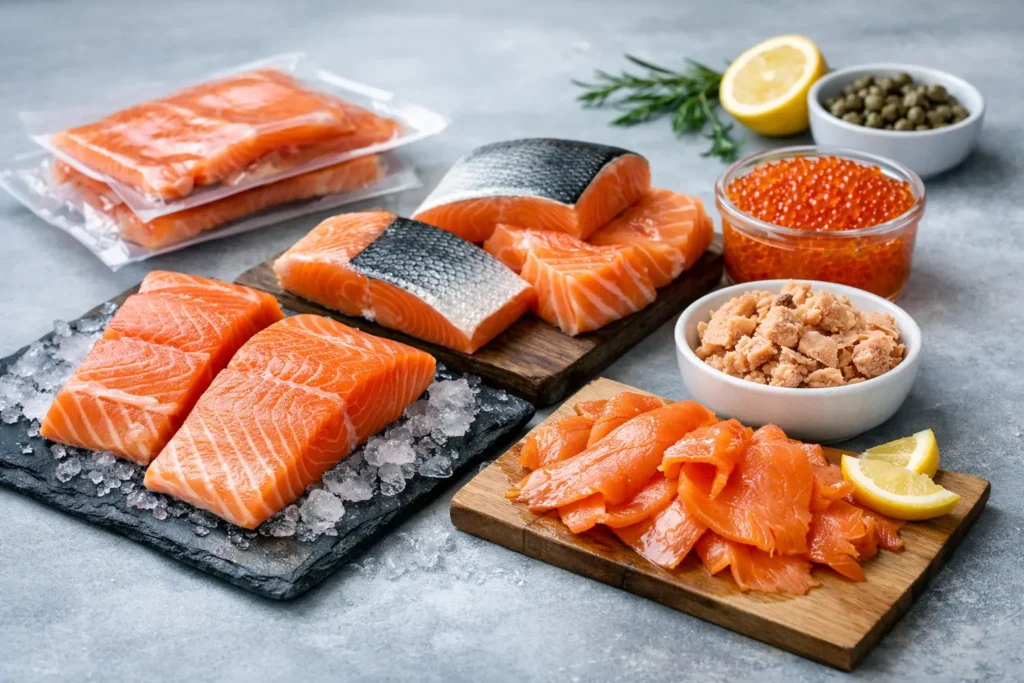
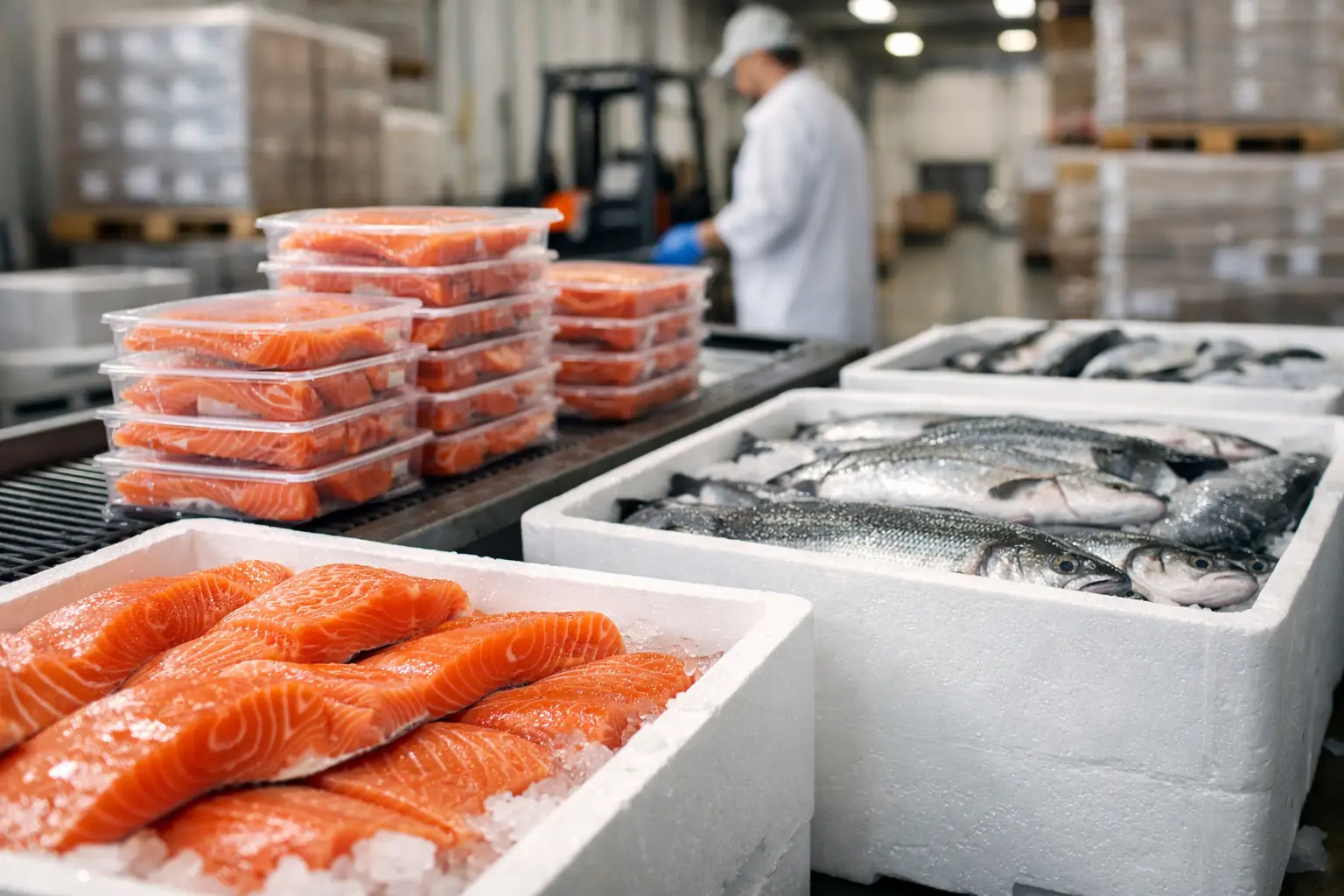
For fresh counters, buyers often need whole fish, HOG salmon, or trimmed fillets that match a clear size range and visual standard. For packaged retail, frozen portions or processed formats may be the better fit because they support longer shelf life and more stable inventory control. The right format depends on store model, labor capacity, regional demand, and promotion calendar.
This is where many wholesale relationships start to break down. A trader may quote aggressively, but if the source changes from shipment to shipment, quality variation follows. A supermarket program needs stable sourcing, not opportunistic sourcing.
Bulk salmon for supermarkets starts with specification control
The most common issue in large-volume seafood buying is not whether salmon is available. It is whether the delivered product matches the commercial specification the retail team planned around.
That includes fish size, trim standard, fat content, color consistency, glazing if frozen, and packing format. Even small deviations can create downstream cost. A fillet that runs outside target weight affects portion yield. A mixed-size shipment complicates merchandising. Packaging inconsistency slows handling at the distribution center.
Professional supermarket buyers typically work backward from shelf requirements. If the retail plan calls for premium fresh salmon in a fixed weight range, the supplier must be able to hold that standard at volume. If the goal is a cost-efficient frozen program for national distribution, then cold-chain performance and case uniformity become equally important.
This is why direct factory sourcing matters. When the supply chain is shorter, there is better control over grading, processing, and packing. There is also less room for quality drift between origin and destination.
Why origin and traceability matter in retail procurement
Retailers are under more pressure than ever to verify where seafood comes from and how it was handled. Traceability is now part of the commercial requirement, not an extra feature.
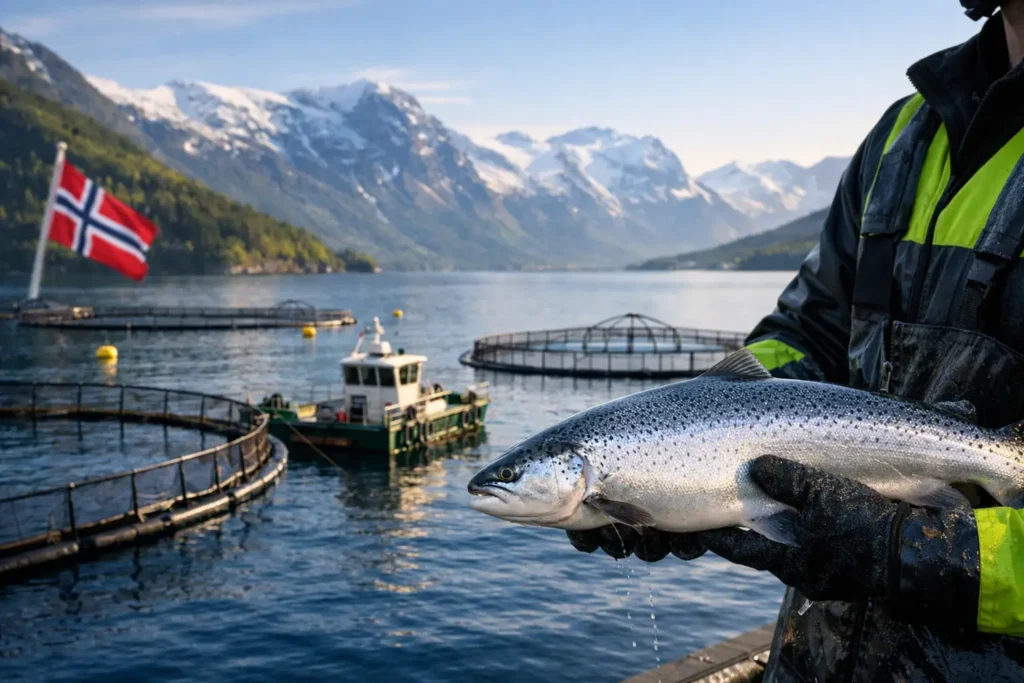
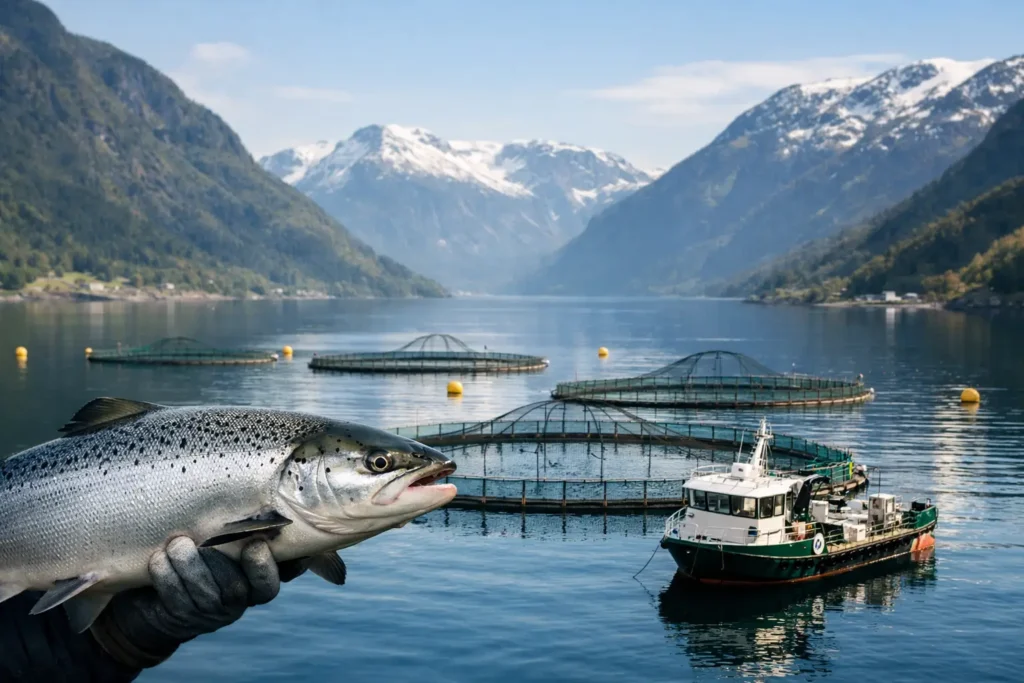
For supermarkets, documented origin supports food safety compliance, buyer confidence, and consumer-facing claims. Norwegian salmon is especially strong in this area because the production environment is tightly regulated and internationally recognized for farming standards, quality control, and export discipline.
Traceability also reduces procurement risk. If a buyer can clearly verify farm source, processing facility, certifications, and shipment records, the approval process becomes faster and more defensible. That is especially relevant for large chains, import programs, and buyers managing internal compliance teams.
A supplier offering bulk salmon for supermarkets should be able to provide more than a product sheet. They should support the documentation flow behind the shipment, including health certificates, origin records, and export paperwork aligned with the destination market.
Fresh vs frozen: the right choice depends on the retail program
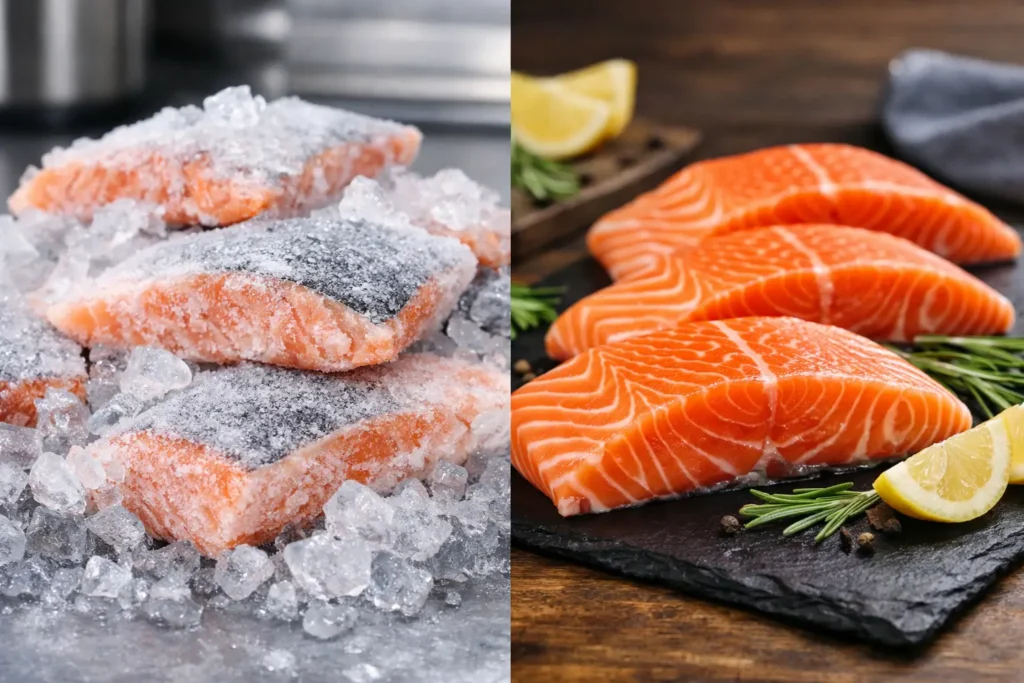
There is no single best format for every supermarket group. Fresh salmon often supports stronger premium positioning and better visual appeal at the counter, but it requires tighter forecasting, faster turnover, and more disciplined cold-chain execution.
Frozen salmon can offer better inventory flexibility, less spoilage exposure, and broader geographic reach, especially for retailers serving inland markets or supporting centralized packaged seafood operations. It may also create a more stable cost structure in programs where promotional timing matters more than daily fresh arrivals.
The real decision is operational. A retailer with strong fresh seafood departments and high weekly turnover may gain more value from fresh whole fish or chilled fillets. A chain focused on consistency across many locations may prefer frozen formats that simplify planning and reduce waste.
A capable exporter should be able to support both models and advise based on throughput, target pricing, and handling capacity rather than pushing one format for every buyer.
Cost efficiency is not just about price per pound
Factory pricing gets attention for good reason. Removing unnecessary intermediaries can improve landed cost and create better margin opportunities for supermarkets buying at scale. But experienced buyers know that cheap product can become expensive when the supply chain is unstable.
True cost efficiency includes fill rate, usable yield, packaging performance, transit condition, and claim frequency. A shipment priced slightly higher may still be the better commercial decision if it lands on time, meets spec, and reduces shrink.
This is where direct access to certified farms and processing facilities creates an advantage. It supports better planning, better visibility, and fewer handoffs. For importers and retail procurement teams, that often translates into more predictable execution.
Nordpoll Seafood operates in that part of the market – factory-direct Norwegian seafood supply built around export readiness, traceability, and large-volume fulfillment for professional buyers.
Logistics can protect or destroy supermarket value
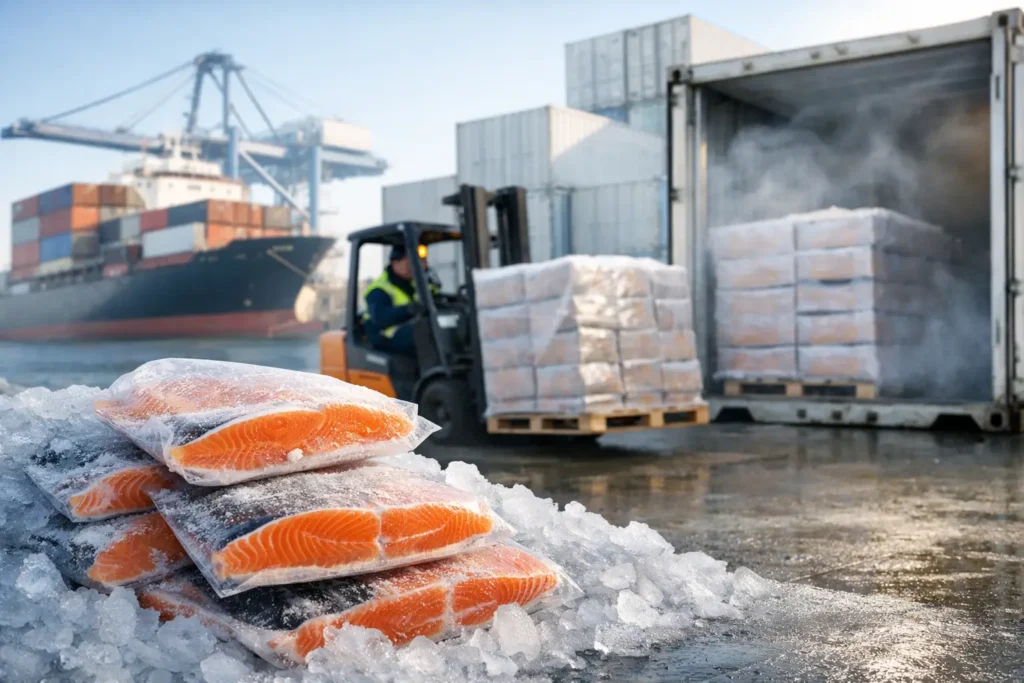
A salmon program can look strong on paper and still fail in transit. For supermarkets, cold-chain reliability is not a back-end detail. It is central to product quality, shelf life, and claim prevention.
Export logistics for seafood require coordination across processing, packing, documentation, customs, and final delivery. Any weak point can reduce freshness, compress selling window, or create receiving issues at the destination.
Buyers sourcing internationally should look closely at how shipments are packed, how temperature integrity is maintained, and how the supplier manages lead times. A reliable exporter understands that delivery performance is part of product quality. That matters even more when volumes increase or seasonal demand tightens available capacity.
The best long-term suppliers do not simply ship fish. They manage a repeatable supply process that aligns with the buyer’s replenishment model.
How to evaluate a bulk salmon supplier for supermarket needs
A serious supplier review should focus on operational fit, not just product claims. Buyers should ask whether the supplier can maintain volume over time, whether specifications are clearly defined, and whether export documentation is handled accurately for the target market.
It is also worth testing communication discipline. In large retail programs, delays in quoting, incomplete paperwork, or vague answers about origin usually signal bigger issues later. Strong suppliers are direct about available formats, realistic lead times, and what can or cannot be held consistently.
Commercial buyers should also assess format flexibility. A supplier who can provide whole salmon, HOG, fresh fillets, trimmed cuts, and frozen options is often better positioned to support changing retail demand. That flexibility becomes valuable when supermarket programs evolve across promotions, private label plans, or regional assortments.
Building a retail salmon program that lasts
The strongest supermarket salmon programs are built on consistency. Customers return to the category when they see dependable quality, attractive presentation, and pricing that feels credible week after week. That consistency starts far upstream with the sourcing model.
Bulk salmon for supermarkets works best when the supplier is set up for long-term wholesale execution rather than spot-market trading. Direct sourcing, clear traceability, certified production, and export-ready logistics create the foundation. From there, buyers can plan with more confidence, protect margin, and avoid the costly disruption that comes with unstable supply.
For supermarket teams, the right salmon supplier should make procurement simpler, not more complicated. If the product meets spec, the paperwork is clean, and the logistics hold up under volume, the category becomes easier to scale. That is usually the difference between buying seafood and building a reliable retail program.