
When a buyer asks for HOG salmon or trout, they are not asking for a generic fish spec. They are asking for a product format that has to arrive with the right yield profile, the right presentation, and the right paperwork behind it. That is why choosing a hog fish supplier is less about finding available volume and more about securing a supply partner that can meet processing, traceability, and delivery requirements without creating downstream risk.
For importers, distributors, supermarket programs, and foodservice buyers, HOG supply sits at the intersection of product quality and operational discipline. A poor supplier can create avoidable problems fast – inconsistent sizing, weak icing standards, variable gutting quality, delayed documentation, or cold-chain gaps that damage shelf life and buyer confidence. A strong supplier does the opposite. It stabilizes procurement, protects product quality, and gives purchasing teams a more reliable cost base.
What a hog fish supplier actually needs to deliver
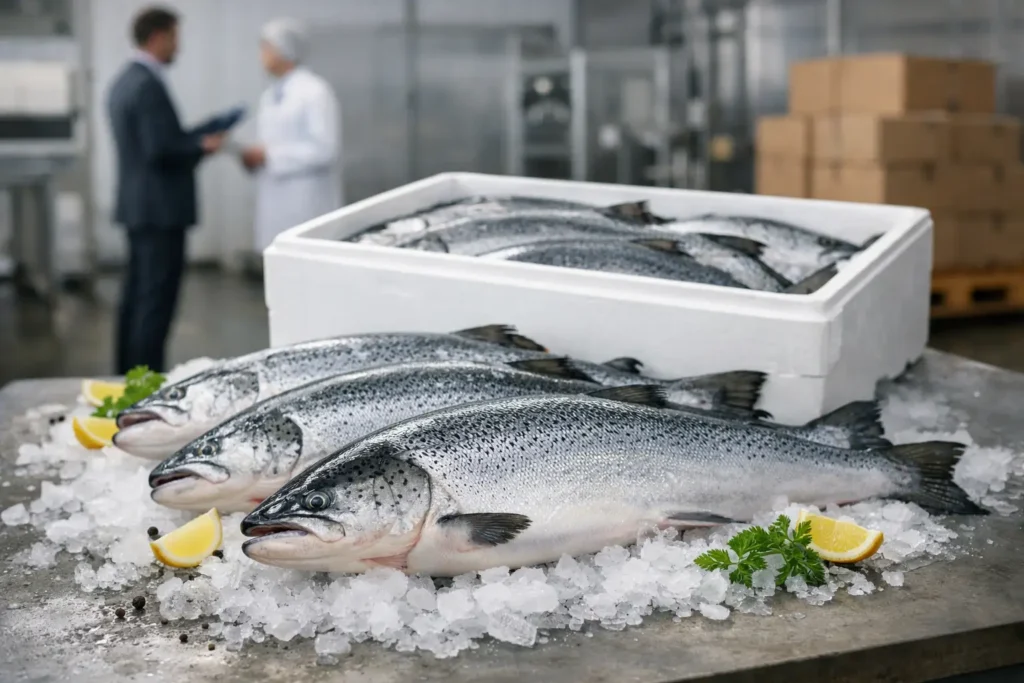
In wholesale seafood, HOG means head-on gutted. The format is straightforward, but buyer expectations are not. A serious supplier must deliver fish that has been processed consistently, packed correctly, and handled under strict temperature control from processing facility to final destination.
That starts with raw material quality. If the underlying salmon or trout is inconsistent, no amount of packing improvement will correct it. Buyers need uniform fish from certified farms and controlled processing environments, because consistency at source affects everything that follows – grading, shelf life, customer acceptance, and usable yield.
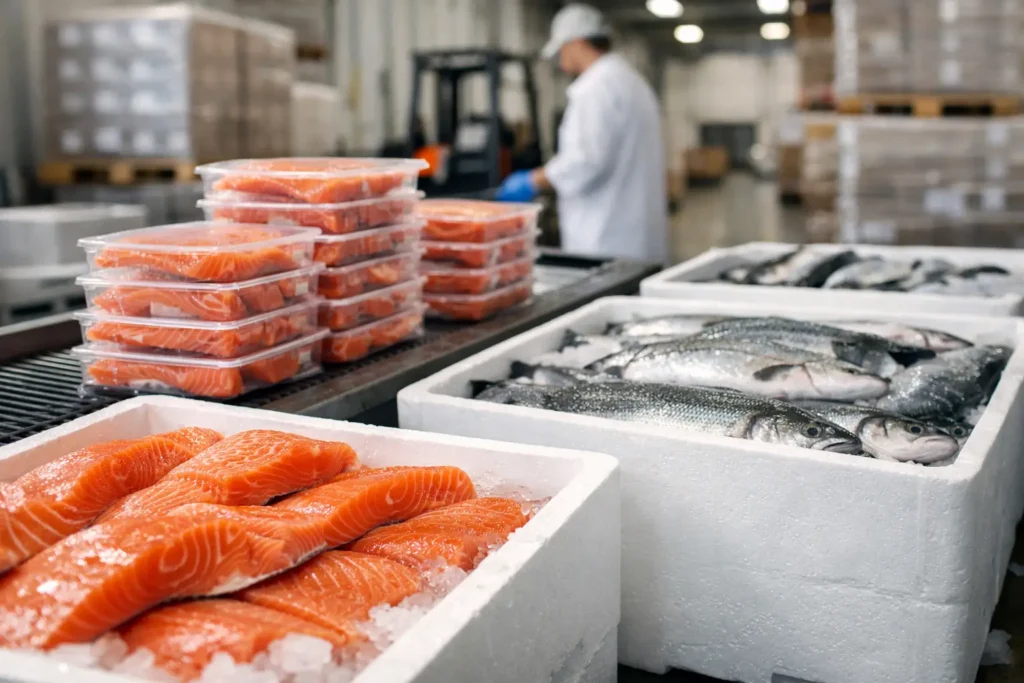
Processing discipline matters just as much. Gutting must be clean and standardized. Fish should be sorted by agreed size ranges, packed to export specification, and prepared according to the buyer’s market requirements. Some customers want fresh HOG fish for short lead times and premium retail or foodservice programs. Others need frozen HOG fish for longer transit windows, inventory control, or industrial planning. A qualified supplier should be able to support both depending on the program.
Why HOG format remains a strong commercial option
HOG remains attractive for many business buyers because it offers a practical balance between product integrity, handling efficiency, and cost. Compared with more processed formats, HOG fish can reduce processing premiums while preserving flexibility for the importer, distributor, or secondary processor.
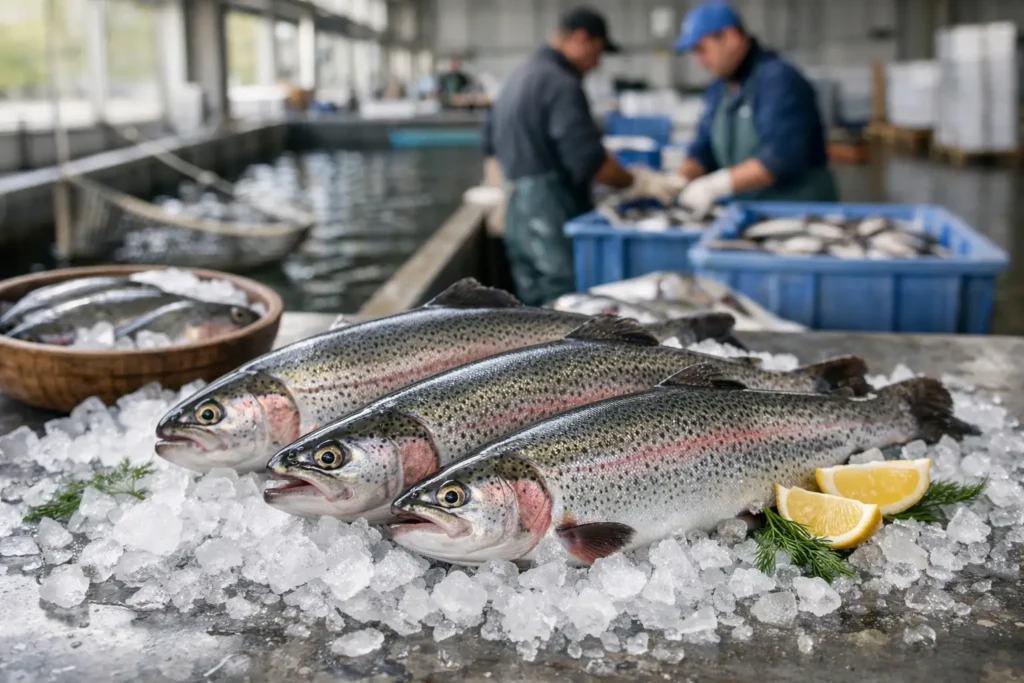
That flexibility has real value. A distributor may want HOG salmon because it can portion or further process according to customer demand. A supermarket program may prefer HOG trout for display or regional cutting preferences. Industrial buyers may use HOG supply as part of a production flow where in-house processing economics make more sense than buying fillets.
The trade-off is that HOG requires a supplier that is precise. Minor quality issues become visible quickly in this format. If the fish is poorly handled, the buyer sees it. If grading is inconsistent, the buyer absorbs the inefficiency. This is why commercial buyers usually place more weight on supplier reliability than on headline price alone.
How to evaluate a hog fish supplier
The first question is origin. Buyers need to know where the fish comes from, which farms or processing facilities are involved, and what standards govern production. Traceability is not a marketing phrase in export seafood. It is part of risk control. If a supplier cannot clearly document origin, certifications, and batch information, that becomes a procurement issue very quickly.
The second question is processing capability. Not every supplier with access to fish is equipped to supply HOG product at a consistently commercial standard. Buyers should look closely at grading accuracy, packing methods, icing or freezing procedures, and the supplier’s ability to maintain specification over repeated shipments. A one-time acceptable load is not the benchmark. Repeatability is.
The third question is logistics competence. International seafood supply depends on timing, documentation, and temperature control. A supplier may offer good product at the factory level but still fail through weak export execution. Buyers should assess whether the supplier can manage booking coordination, health certificates, customs documentation, and cold-chain delivery to the required market. Reliable fulfillment often separates serious exporters from opportunistic traders.
The fourth question is commercial structure. Factory-direct sourcing can improve pricing by reducing intermediary layers, but only if the supplier truly has direct processing access and stable procurement channels. Buyers should understand whether they are dealing with a direct export source or a reseller model. That affects price transparency, stock security, and responsiveness when market conditions tighten.
The value of factory-direct HOG supply
For larger buyers, factory-direct purchasing is often the most efficient route. It can improve cost control, reduce communication gaps, and give procurement teams better visibility into what is actually available by size, format, and production schedule.
It also supports more stable planning. When a supplier works directly with farms and processing facilities, there is usually better coordination around harvest timing, production slots, and shipment preparation. That matters for contract programs, seasonal promotions, and repeat purchasing cycles where late changes can be expensive.
There is an important nuance here. Factory-direct does not automatically mean lower total cost in every scenario. Smaller-volume buyers may sometimes prioritize consolidation flexibility over direct sourcing. But for importers, wholesalers, supermarket chains, and established foodservice distributors buying at scale, direct access usually creates stronger pricing logic and better operational control.
Fresh versus frozen HOG fish
A capable hog fish supplier should be able to advise on format, not just quote product. Fresh HOG fish works well when transit time is controlled and the end market values immediate presentation and short-turn inventory. It is often preferred for premium retail counters and restaurant distribution where freshness claims and visual quality drive sales.
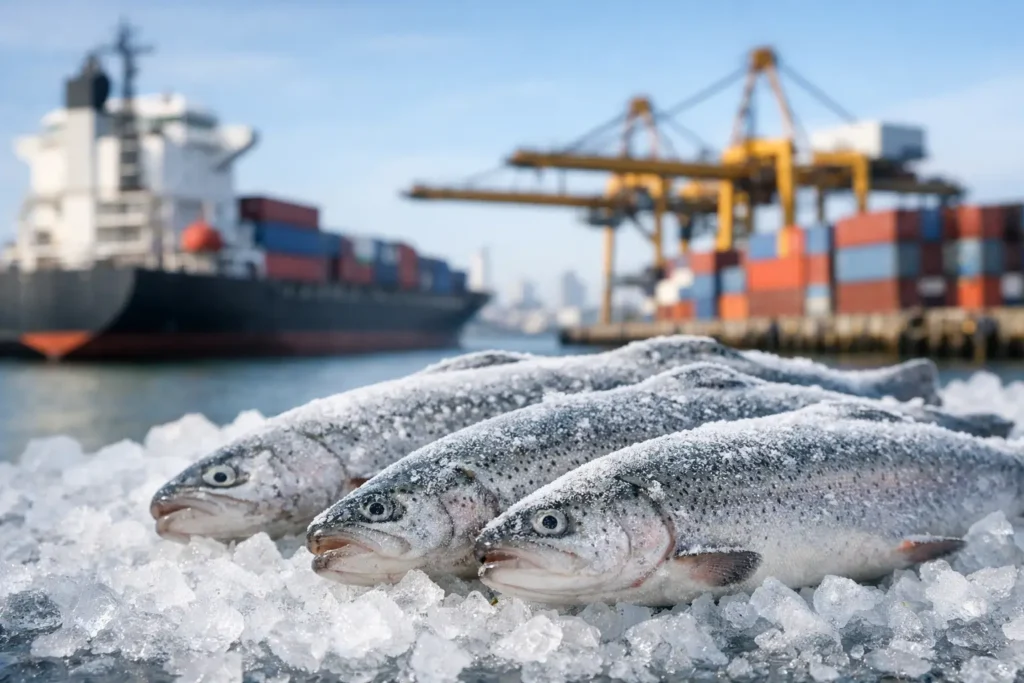
Frozen HOG fish serves a different commercial need. It gives buyers more flexibility in stocking, supports longer shipping distances, and can reduce pressure on weekly replenishment cycles. For some markets, frozen is the more practical option because it protects quality over extended logistics routes and allows better inventory planning.
The right choice depends on the buyer’s model. If turnover is fast and cold-chain infrastructure is strong, fresh may offer a better fit. If demand is variable or shipping lanes are long, frozen can be the smarter decision. A supplier should be able to discuss these trade-offs directly, based on product flow rather than sales language.
Why documentation and compliance matter as much as fish quality
Seafood buyers in the US and global markets do not only buy product. They buy a shipment that must clear inspections, satisfy internal compliance teams, and fit customer requirements. That means export documentation, health certificates, packing lists, labeling details, and traceability records all need to be accurate.
This is one of the most common points of failure in international seafood trade. Product can be good, but if paperwork is delayed or incomplete, the shipment still becomes a problem. A dependable supplier treats compliance as part of the product offering, not as an afterthought.
For procurement teams, this reduces friction internally. It shortens approval cycles, supports audit readiness, and lowers the chance of costly delays at arrival. In practical terms, the best supplier is not just the one with fish available. It is the one that can deliver fish and documentation as a complete export-ready package.
What long-term buyers should look for in a hog fish supplier
Long-term supply partnerships are built on consistency, not promises. Buyers should look for a supplier that can maintain stable quality over time, communicate clearly during market fluctuations, and adapt supply planning when demand shifts. Seafood markets move. Harvest volumes, freight conditions, and seasonal demand all change. The supplier’s value is proven by how well it manages those variables.
This is especially important for companies serving retail chains, restaurant groups, and industrial accounts. Their customers expect continuity. If HOG fish arrives outside spec or late, the impact extends beyond a single shipment. It affects production schedules, customer service, and margin.
A trusted long-term seafood partner should offer premium seafood, dependable cold-chain execution, and factory prices where scale supports it. Just as important, it should understand that procurement decisions are rarely based on one metric. Price matters, but so do yield, consistency, origin verification, and service reliability.
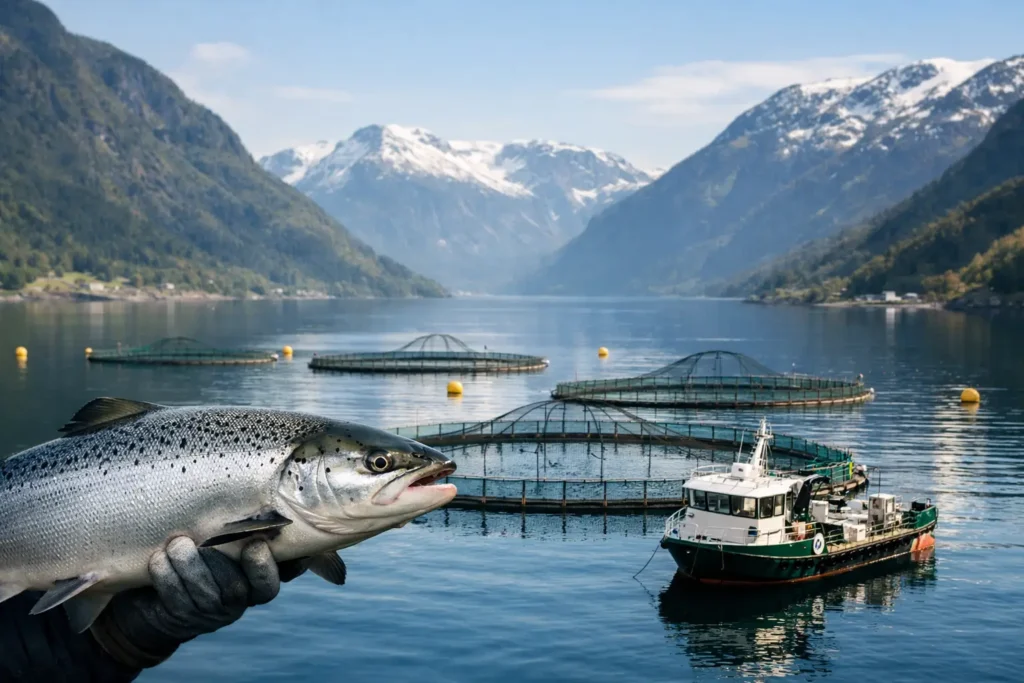
Nordpoll Seafood operates in that space by focusing on direct-from-source Norwegian salmon and trout, export-ready logistics, and bulk supply for professional seafood buyers. For buyers sourcing HOG product, that kind of model is often more valuable than a broad marketplace approach because it prioritizes control, traceability, and execution.
The right supplier should make your procurement job easier, not more complicated. If a hog fish supplier can give you consistent product, clear origin, reliable documents, and global delivery discipline, you are not just buying fish – you are buying fewer disruptions across your entire supply chain.