
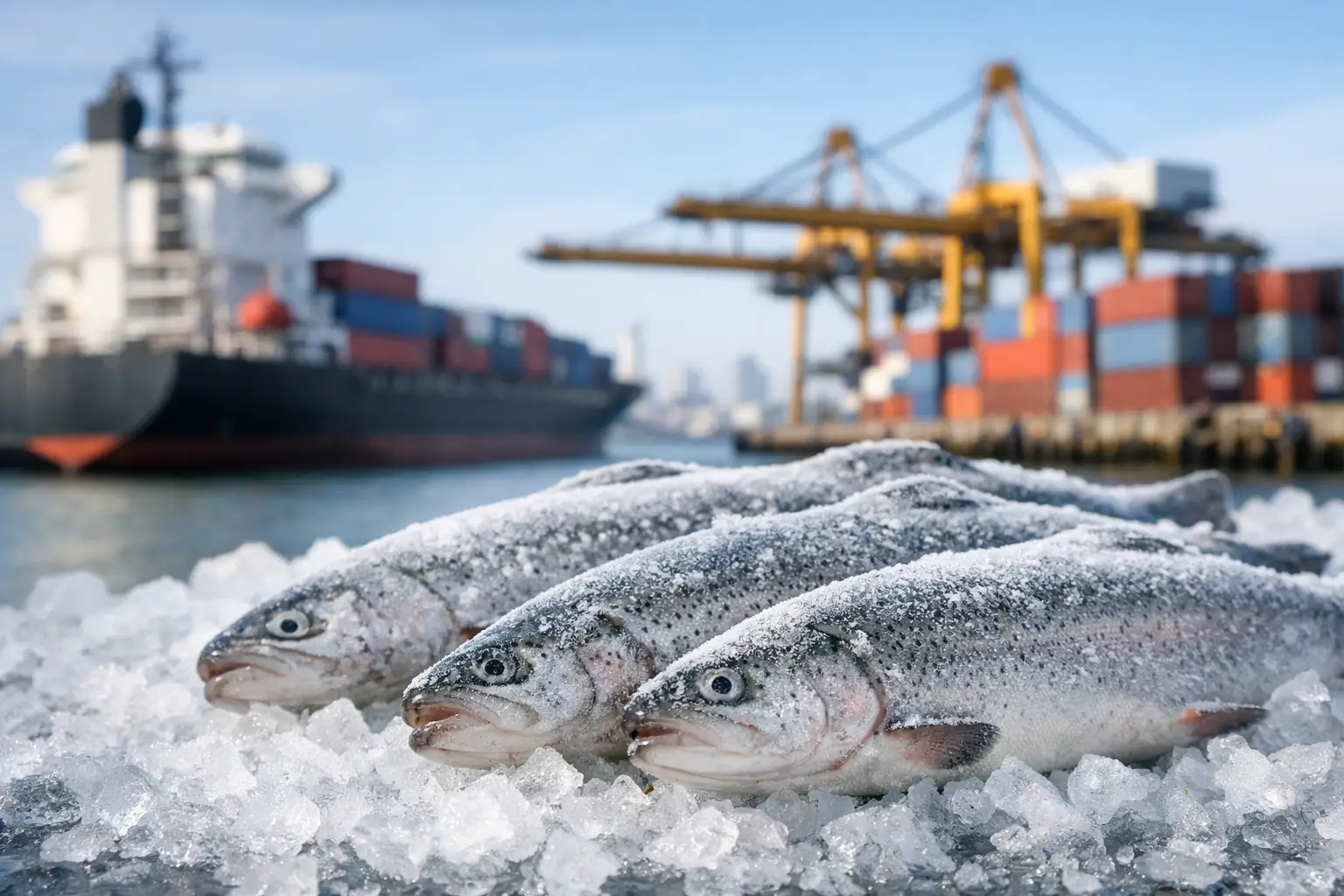
A missed shipment window on frozen trout does not just delay inventory. It can disrupt retail promotions, foodservice menus, production schedules, and margin targets across multiple markets. That is why choosing the right frozen trout export supplier is a procurement decision with operational and commercial consequences.
For importers, distributors, supermarket buyers, and industrial seafood users, the standard is higher than basic product availability. You need stable volume, consistent grading, verified origin, export documentation, and cold-chain discipline that holds from processing facility to final destination. A supplier that cannot manage those elements creates cost long before quality claims are tested at receiving.
What a frozen trout export supplier should actually deliver
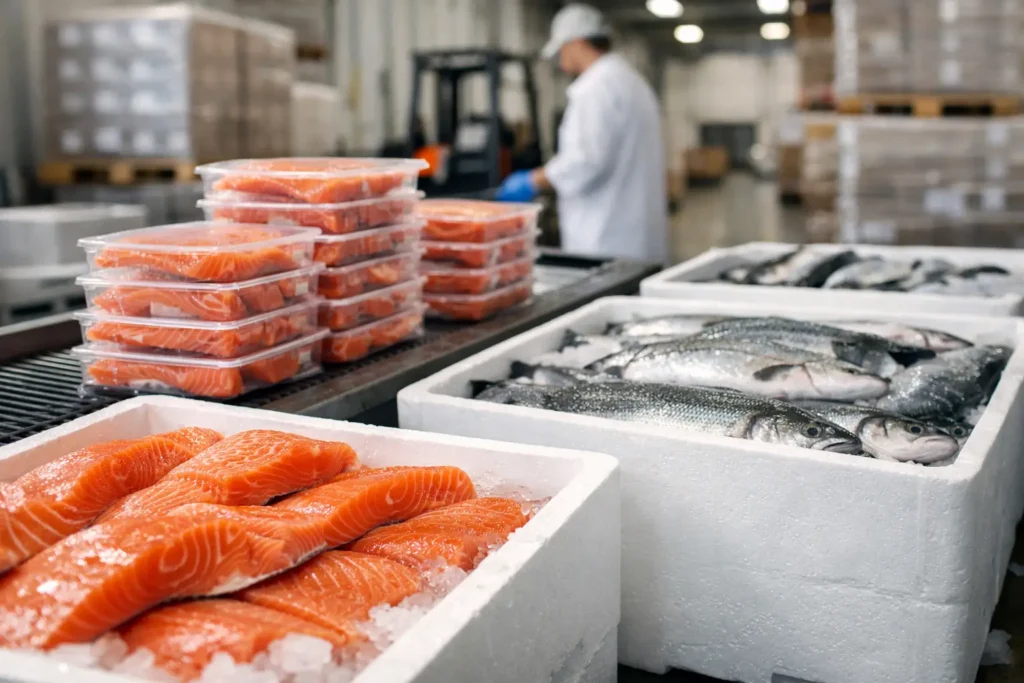
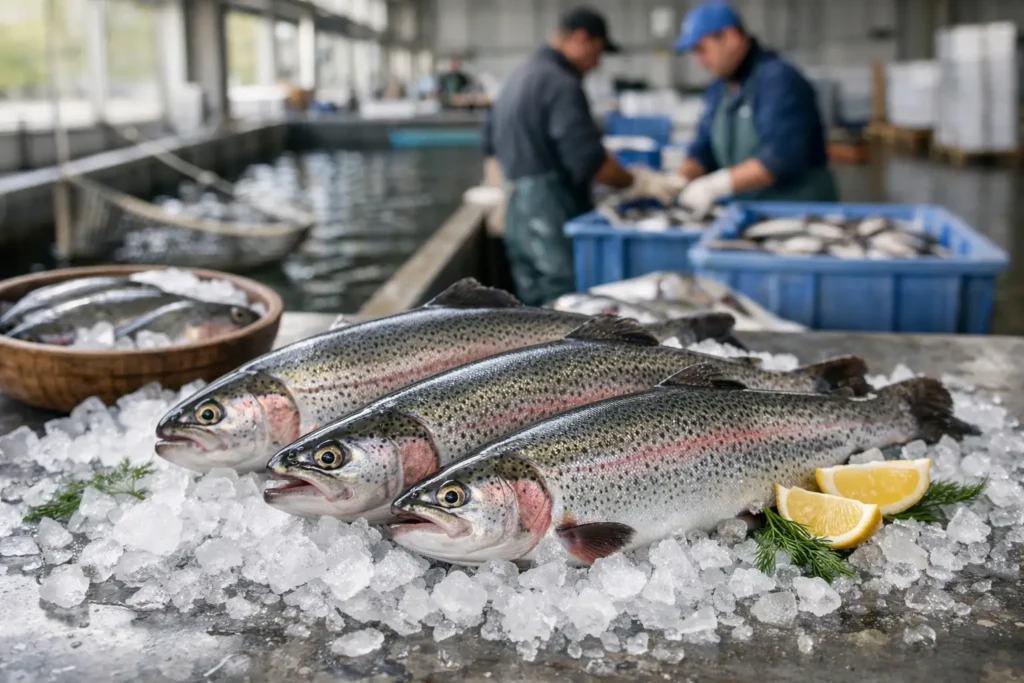
A qualified frozen trout export supplier should offer more than frozen fish in a container. The real value is supply-chain control. That starts with access to reliable farming and processing capacity and extends through packing specifications, certification support, and international shipment execution.
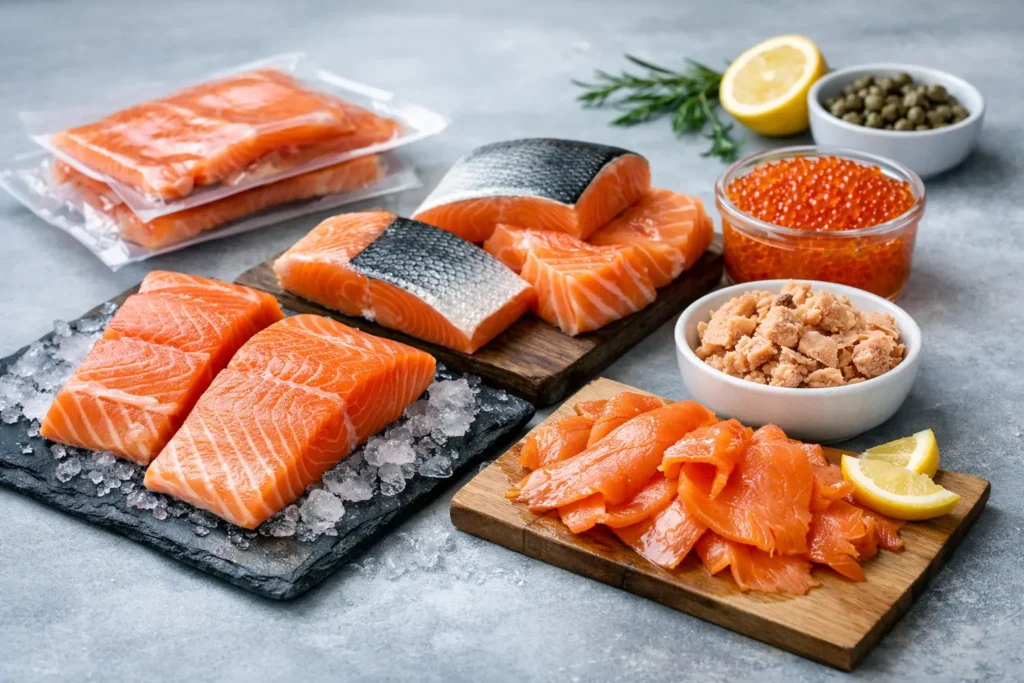
In practical terms, buyers should expect clarity on product forms, size ranges, glazing, packing formats, and minimum order volumes. A serious export supplier should also be able to explain lead times, production planning, and how product is handled before freezing. Frozen trout is a category where small differences in processing discipline can affect texture, yield, and buyer confidence.
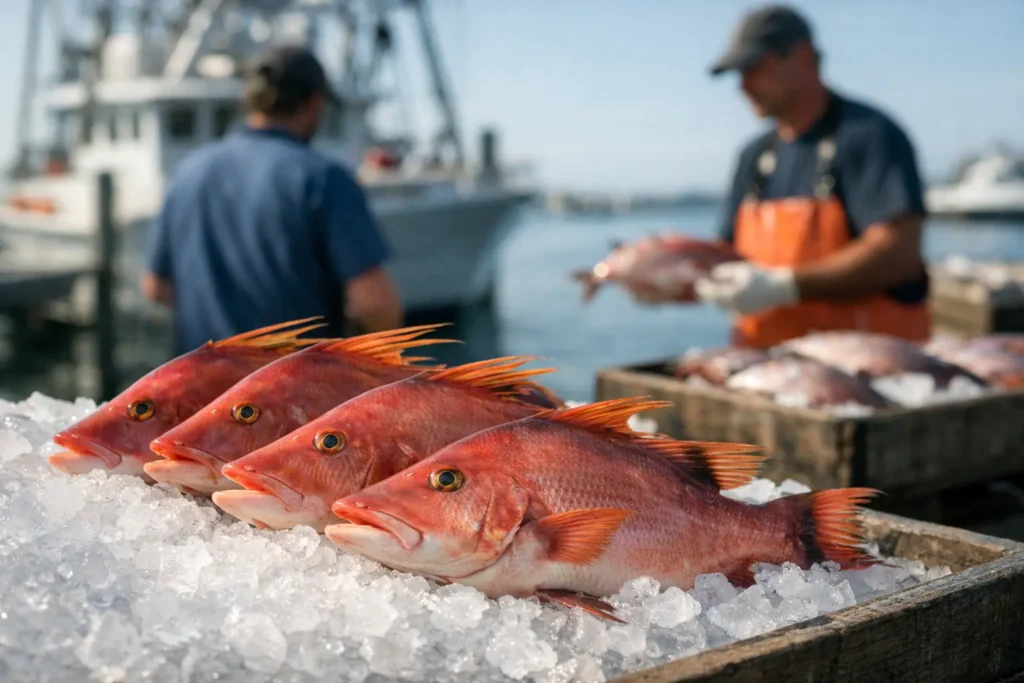
Factory-direct access matters here. When a supplier works close to the source, communication is cleaner, pricing is tighter, and traceability is easier to validate. Too many intermediaries create information gaps. Those gaps usually surface at the worst time – when a buyer needs quick answers on origin, batch records, or shipment status.
Why Norwegian frozen trout stays in demand
Norwegian trout remains attractive to global B2B buyers for a simple reason: the market associates it with premium seafood, disciplined aquaculture standards, and dependable export performance. That reputation is not just branding. For commercial buyers, it translates into fewer sourcing risks and stronger confidence in product consistency.
Frozen trout from Norway is especially relevant for businesses that need year-round planning. Retailers need predictable specifications for private label and fresh-frozen programs. Distributors need flexible inventory that can move across customer segments. Foodservice operators and processors need stable supply that protects menu planning and production forecasting.
That said, not every Norwegian supplier is equal. Origin alone is not enough. Buyers still need to verify how closely the exporter works with certified farms and processing facilities, how frozen inventory is managed, and whether the supplier can support the required volume without compromising grading standards.
Key buying factors when comparing suppliers
Product format and specification control
The first question is not price. It is whether the supplier can deliver the exact format your business needs. Frozen trout can be supplied whole, gutted, HOG, trimmed, or according to custom buyer specifications. If the supplier is vague on cuts, trim standards, weight bands, or packaging options, that is usually a sign of limited processing control.
Specification consistency matters even more for repeat purchasing. One container that performs well is not enough. Buyers need confidence that the next order will match the same standard for size distribution, visual quality, and yield.
Traceability and documentation
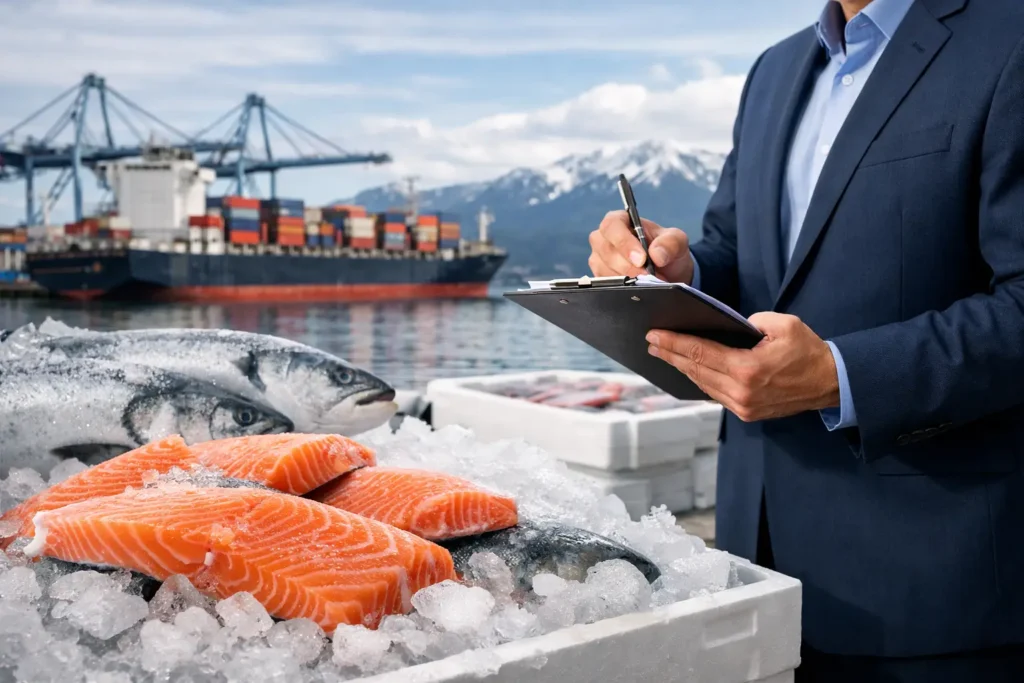
Professional seafood buyers need a supplier that can support traceability from farm to shipment. This includes lot identification, health documentation, export paperwork, and compliance records relevant to the destination market. For US buyers, this is not an administrative detail. It is part of risk control.
A strong supplier should be ready to discuss sourcing origin, production dates, and documentation workflows without delay. When documentation is disorganized, customs clearance and internal receiving become harder, and every delay increases landed cost.
Cold-chain reliability
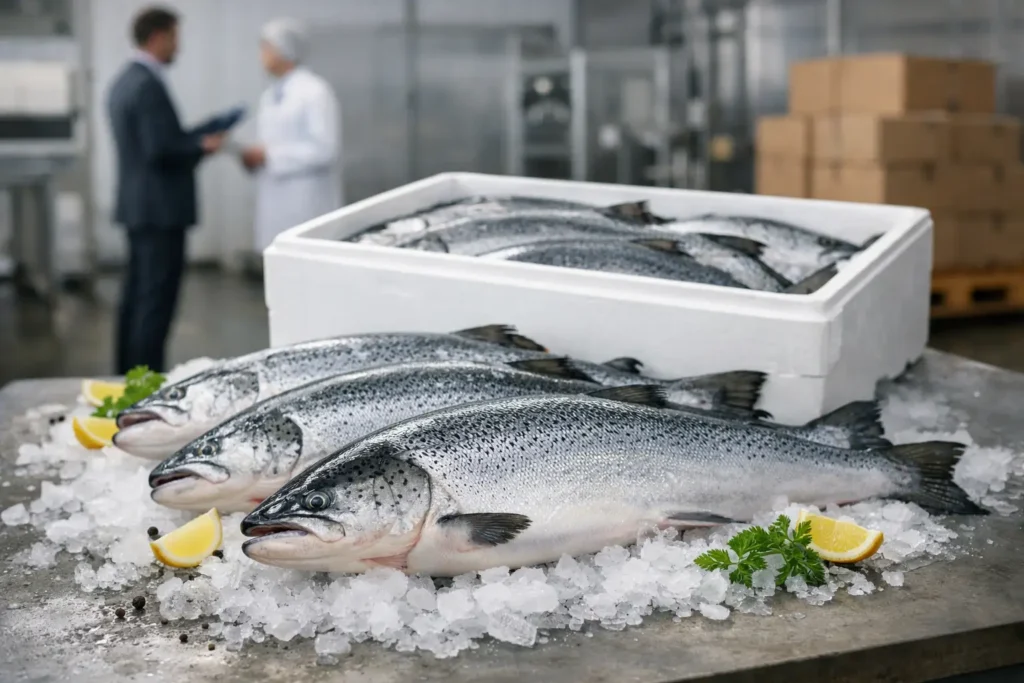
Frozen product only works as well as the cold chain protecting it. Buyers should ask how product is frozen, stored, loaded, and monitored during export. A supplier with export experience will have a clear process for temperature control and container handling, not broad promises.
This is where logistics competence separates traders from dependable exporters. Frozen trout for international markets needs disciplined coordination between processing, storage, freight booking, and delivery timing. A low price has limited value if the shipment arrives with avoidable temperature concerns.
Volume stability and planning
Many suppliers can secure product during favorable periods. Fewer can support long-term planning. For buyers managing contracts, promotions, or year-round customer demand, supply continuity is often more valuable than a short-term price advantage.
Ask direct questions about capacity, seasonal fluctuations, and how allocation is handled during high-demand periods. A supplier that plans production and export schedules with buyers is far more useful than one that only reacts to spot orders.
Factory pricing is important, but only in context
Commercial buyers should absolutely care about factory pricing. Removing unnecessary intermediaries can improve margins, especially on large-volume orders. But the cheapest quote is rarely the most competitive offer once real supply-chain costs are considered.
If lower pricing comes with weak communication, variable grading, poor packing, or documentation issues, landed costs rise quickly. Claims, delays, and inventory uncertainty can erase any savings on the original invoice. The better approach is to evaluate price alongside consistency, traceability, and execution.
A factory-direct model usually creates the best balance. Buyers gain more transparent pricing, cleaner technical communication, and stronger oversight of production standards. That is particularly valuable for importers and distributors that need dependable replenishment rather than one-off opportunistic buys.
How a frozen trout export supplier supports different buyers
Not all buyers evaluate suppliers the same way. A supermarket purchasing team may focus on standardized specifications, private label readiness, and long-term promotional planning. A seafood distributor may prioritize mixed customer compatibility, dependable container scheduling, and responsive account handling. Industrial buyers often care most about yield, trim consistency, and production-fit sizing.
A capable frozen trout export supplier understands those differences and adjusts the commercial discussion accordingly. The right conversation is not just about what product is available. It is about whether the product format, packaging, and logistics model fit the buyer’s downstream business.
This is where experienced exporters add value. They can align sourcing and processing decisions with the commercial realities of the destination market. That reduces friction after the sale and helps build the kind of long-term supply relationship serious buyers prefer.
Signs you are dealing with the wrong supplier
There are a few recurring warning signs in this category. One is inconsistent answers on origin or processing. Another is slow or unclear communication on specifications and paperwork. A third is pricing that looks attractive at first but lacks enough detail to evaluate packing, glaze, quality grade, or freight assumptions.
Buyers should also be careful with suppliers that cannot explain their production access. If the exporter is far removed from farms and processors, problem resolution tends to be slower and less precise. In frozen seafood exports, distance from the source often means less control where it matters most.
Serious B2B buyers need partners, not just offers. The difference becomes obvious when schedules tighten, market pricing moves, or documentation needs become more demanding.
Why long-term supply partnerships outperform spot buying
Spot buying has a place in seafood procurement, especially when market conditions create a clear short-term advantage. But for frozen trout, long-term supplier relationships usually deliver better commercial results. Consistent buying programs improve planning, reduce uncertainty, and create a more stable quality baseline.
They also make communication more efficient. The supplier understands your specs, documentation requirements, and shipping expectations. That reduces avoidable back-and-forth and speeds up execution. For larger buyers, this kind of operating rhythm matters as much as price.
A company such as Nordpoll Seafood positions its model around this reality – premium Norwegian seafood, factory-direct sourcing, export-ready logistics, and dependable volume support for business buyers who need more than transactional supply.
The strongest frozen trout export supplier is not the one with the broadest claims. It is the one that can show control over sourcing, processing relationships, documentation, and delivery performance with the consistency your business requires. When supply reliability and product quality affect your margins every week, that level of control is not a premium. It is the baseline.