
10 Most Profitable Seafood Products for Restaurants and Foodservice Buyers in 2026
The global seafood industry continues to grow as restaurants, hotels, supermarkets, and foodservice companies respond to rising consumer demand for premium seafood. In 2026, restaurant owners and foodservice buyers are focusing on products that deliver excellent taste, consistent quality, high profit margins, and reliable year-round availability.
Whether you operate a fine dining restaurant in Dubai, a seafood chain in Saudi Arabia, a hotel in the United States, or a wholesale distribution business serving international markets, choosing the right seafood products directly impacts profitability.
Selecting the right seafood for restaurants means balancing customer preferences, menu flexibility, supply consistency, sustainability, and food cost management.
This guide highlights ten of the most profitable seafood products for restaurants and foodservice buyers while explaining why they remain top choices for importers across the UAE, Saudi Arabia, the USA, and global markets.
Why Restaurants Should Invest in Premium Seafood
Restaurant customers expect freshness, consistency, and outstanding flavor. At the same time, operators need products that reduce waste and improve kitchen efficiency.
Premium frozen seafood offers several business advantages.
- Longer shelf life
- Stable year-round supply
- Lower food waste
- Easier inventory management
- Consistent portion control
- Better profit margins
- Reliable international logistics
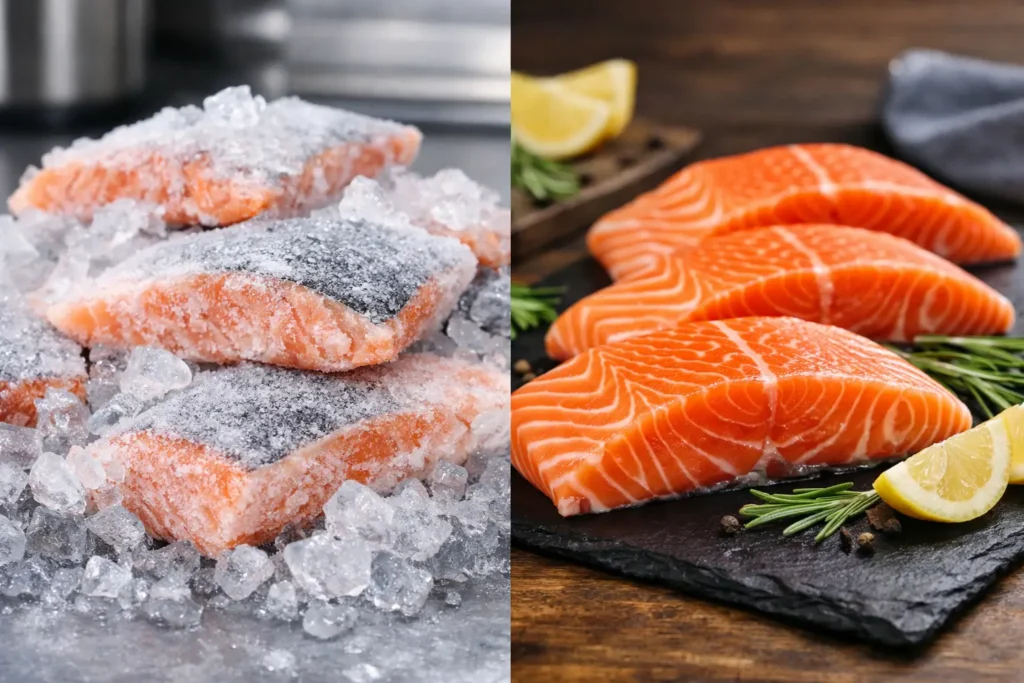
Moreover, individually quick frozen (IQF) seafood maintains excellent texture and nutritional value when handled correctly. Therefore, many successful restaurants now combine premium frozen seafood with fresh offerings.
1. Atlantic Salmon
The World’s Best-Selling Restaurant Fish
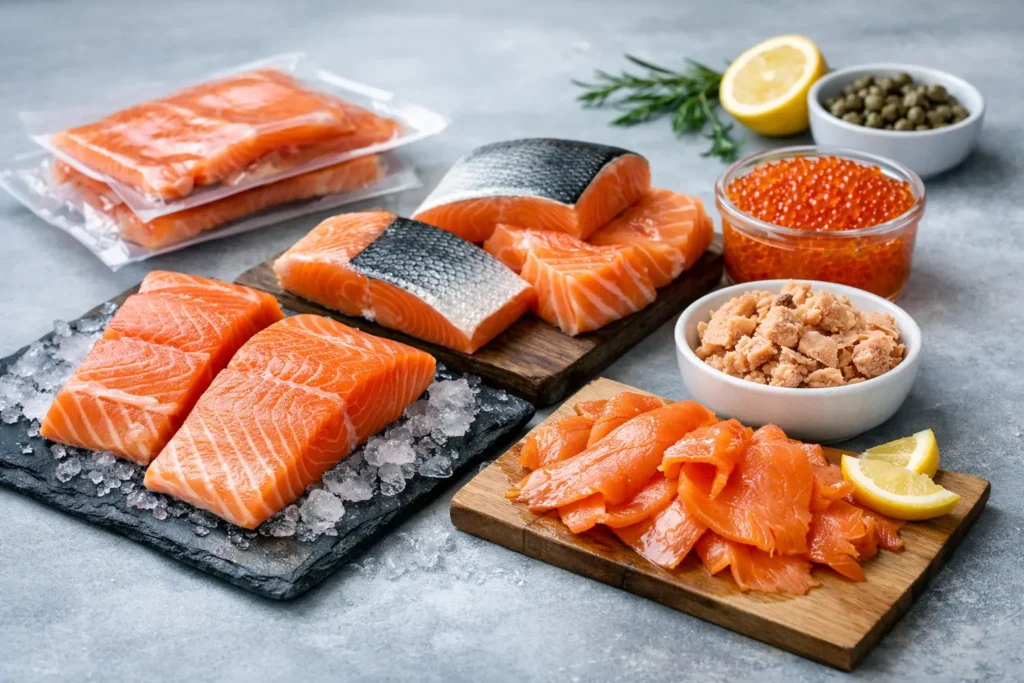
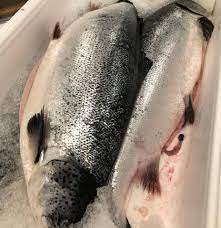
Atlantic salmon remains the most profitable seafood product for restaurants worldwide. Consumers recognize its rich flavor, vibrant color, and exceptional nutritional value.
Restaurants use salmon in numerous menu categories, including:
- Grilled entrées
- Sushi
- Poke bowls
- Pasta
- Salads
- Burgers
- Fine dining specials
Its versatility allows chefs to maximize menu creativity while maintaining healthy profit margins.
Why Buyers Love Atlantic Salmon
- Strong global demand
- Premium selling price
- Consistent supply
- High customer satisfaction
- Excellent freezing performance
Major importing markets include:
- United Arab Emirates
- Saudi Arabia
- United States
- Europe
- Singapore
2. Norwegian Cod
A Premium White Fish with High Demand
Norwegian cod offers a mild flavor and flaky texture that appeals to a wide customer base.
Restaurants frequently serve cod as:
- Fish and chips
- Baked fillets
- Pan-seared dishes
- Gourmet seafood platters
Cod also performs well in hotel buffets because chefs can prepare large quantities without sacrificing quality.
Business Benefits
- High yield
- Excellent presentation
- Strong international demand
- Premium menu pricing
3. King Crab
Luxury Seafood with Exceptional Profit Margins
King crab represents one of the highest-value seafood products available.
Luxury restaurants and upscale hotels feature king crab because customers willingly pay premium prices for its sweet meat and impressive presentation.
Although purchasing costs remain higher, profit margins also increase significantly.
King crab works well for:
- Fine dining
- Holiday menus
- Luxury buffets
- VIP catering
- Seafood towers
4. Black Tiger Shrimp
A Restaurant Favorite Worldwide
Shrimp remains one of the fastest-selling seafood products across every major foodservice market.
Black Tiger shrimp combines attractive appearance with firm texture and outstanding flavor.
Restaurants prepare shrimp using countless cooking styles.
Popular dishes include:
- Garlic shrimp
- Tempura
- Seafood pasta
- Stir fry
- Grilled platters
- Cajun recipes
Why Importers Buy Large Volumes
- Universal consumer appeal
- Fast kitchen preparation
- Excellent freezing quality
- Multiple size options
- Strong resale demand
5. Yellowfin Tuna
Premium Choice for Sushi and Fine Dining
As sushi continues expanding across global markets, yellowfin tuna demand keeps increasing.
Restaurants value tuna because chefs can prepare:
- Sushi
- Sashimi
- Poke bowls
- Grilled steaks
- Gourmet salads
Premium-grade frozen tuna preserves freshness while reducing spoilage.
Consequently, many restaurants now prefer frozen sashimi-grade tuna for inventory control.
6. Norwegian Mackerel
Affordable Seafood with Strong Consumer Demand
Mackerel provides outstanding value for restaurants targeting health-conscious customers.
Rich in Omega-3 fatty acids, Norwegian mackerel remains especially popular throughout:
- Middle East
- Asia
- Europe
- Africa
Restaurants often grill, smoke, or bake mackerel for traditional and modern dishes.
Furthermore, its competitive wholesale pricing allows excellent markup opportunities.
7. Haddock
A Reliable White Fish for High-Volume Restaurants
Haddock continues gaining popularity because of its delicate texture and mild flavor.
Many seafood restaurants prefer haddock over other white fish because it cooks consistently.
Common menu applications include:
- Fish sandwiches
- Fish tacos
- Fried fillets
- Seafood baskets
- Family meals
Importers appreciate haddock because it ships efficiently in frozen form.
8. Langoustines
Premium Seafood for Gourmet Restaurants
Langoustines deliver elegant presentation and premium taste.
Luxury restaurants throughout Dubai, Abu Dhabi, Riyadh, New York, and London increasingly feature langoustines on seasonal menus.
Their sweet flavor pairs well with:
- Butter sauces
- Pasta
- Risotto
- Fine dining appetizers
- Seafood platters
Because supply remains limited, restaurants often achieve premium pricing.
9. Squid
High-Profit Seafood with Broad Menu Applications
Squid remains one of the most profitable seafood products because chefs utilize nearly every portion.
Restaurants commonly prepare:
- Calamari
- Stir fry
- Seafood pizza
- Pasta
- Rice dishes
Frozen squid also stores well, helping operators reduce inventory losses.
Additionally, customers appreciate squid’s unique texture and versatility.
10. Mussels
Cost-Effective Seafood with Excellent Margins
Mussels provide restaurants with an affordable seafood option that delivers premium presentation.
Many chefs prepare mussels using:
- White wine sauce
- Garlic butter
- Cream sauce
- Tomato broth
- Seafood stews
Restaurants often pair mussels with fries, bread, or pasta, increasing average order value.
Their relatively low wholesale cost supports attractive profit margins.
What Restaurant Buyers Should Consider Before Purchasing Seafood
Selecting the right supplier matters just as much as choosing the product.
Professional foodservice buyers should evaluate several important factors.
Product Quality
Look for suppliers that maintain strict cold-chain management and international quality standards.
Certifications
Reliable exporters often hold certifications such as:
- HACCP
- BRCGS
- ISO 22000
- MSC
- ASC
These certifications demonstrate commitment to food safety and responsible sourcing.
Consistent Supply
Restaurants cannot afford frequent stock shortages.
Choose exporters capable of supplying products throughout the year.
Packaging Options
Commercial buyers benefit from suppliers offering:
- IQF packaging
- Bulk cartons
- Private labeling
- Retail-ready packaging
- Custom specifications
International Shipping Experience
Experienced exporters understand customs documentation, refrigerated logistics, and import regulations.
Efficient shipping protects product quality while reducing delays.
Why Frozen Seafood Continues to Dominate Foodservice
Modern freezing technology has transformed the seafood industry.
Today’s premium frozen seafood delivers exceptional freshness while offering significant operational benefits.
Restaurants enjoy:
- Lower spoilage
- Better inventory planning
- Faster kitchen operations
- Stable pricing
- Improved profitability
As a result, many successful buyers now source seafood for restaurants through trusted international frozen seafood exporters rather than relying only on fresh local supply.
Growing Seafood Demand Across Global Markets
Demand continues rising across several major regions.
United Arab Emirates
Dubai and Abu Dhabi remain major seafood import hubs serving hotels, restaurants, supermarkets, and luxury hospitality businesses.
Saudi Arabia
Saudi Arabia continues investing heavily in tourism, hospitality, and foodservice expansion.
Consequently, demand for premium imported seafood grows every year.
United States
American consumers increasingly choose seafood because of its health benefits and culinary variety.
Restaurants continue expanding seafood menus to satisfy evolving preferences.
International Markets
Emerging markets across Africa, Southeast Asia, and Latin America also show increasing seafood consumption.
Therefore, global import opportunities remain strong for wholesalers and distributors.
Choosing the Right Seafood Export Partner
A dependable seafood supplier provides more than products.
The right partner also offers:
- Consistent product quality
- Competitive wholesale pricing
- Reliable documentation
- Flexible packaging
- On-time delivery
- Responsive customer support
- Sustainable sourcing practices
These advantages help restaurants maintain customer satisfaction while improving long-term profitability.
Conclusion
The seafood industry offers outstanding opportunities for restaurants, importers, wholesalers, and foodservice distributors in 2026.
Products such as Atlantic salmon, king crab, shrimp, cod, tuna, mackerel, haddock, langoustines, squid, and mussels continue generating strong customer demand and attractive margins.
Choosing premium seafood for restaurants from trusted global exporters ensures consistent quality, better inventory control, and higher customer satisfaction.
Whether you serve luxury dining establishments in Dubai, hotel chains in Saudi Arabia, restaurants across the United States, or distributors worldwide, investing in premium frozen seafood creates lasting business value.
Now is the ideal time to strengthen your seafood supply chain and build partnerships with reliable exporters capable of supporting your long-term growth.
Frequently Asked Questions
1. What is the most profitable seafood for restaurants?
Atlantic salmon, king crab, Black Tiger shrimp, yellowfin tuna, and cod consistently rank among the most profitable seafood products because they attract high customer demand and premium menu pricing.
2. Why do restaurants prefer frozen seafood?
Frozen seafood offers longer shelf life, reduced waste, stable inventory, consistent quality, and dependable year-round availability.
3. Which countries import the most seafood?
The United Arab Emirates, Saudi Arabia, the United States, China, Japan, and many European countries remain among the largest seafood importing markets.
4. What should buyers look for in a seafood supplier?
Buyers should evaluate product quality, food safety certifications, sustainable sourcing, reliable logistics, flexible packaging, and consistent supply.
5. Why is premium seafood important for restaurants?
Premium seafood enhances menu quality, improves customer satisfaction, supports higher selling prices, and increases restaurant profitability.
Ready to Source Premium Seafood?
If you are a restaurant owner, hotel purchasing manager, foodservice distributor, wholesaler, or seafood importer, partner with a trusted global seafood exporter that delivers premium frozen seafood with reliable quality, competitive pricing, and dependable international logistics.
Request a wholesale quotation today and discover how premium seafood can help grow your business in 2026 and beyond.