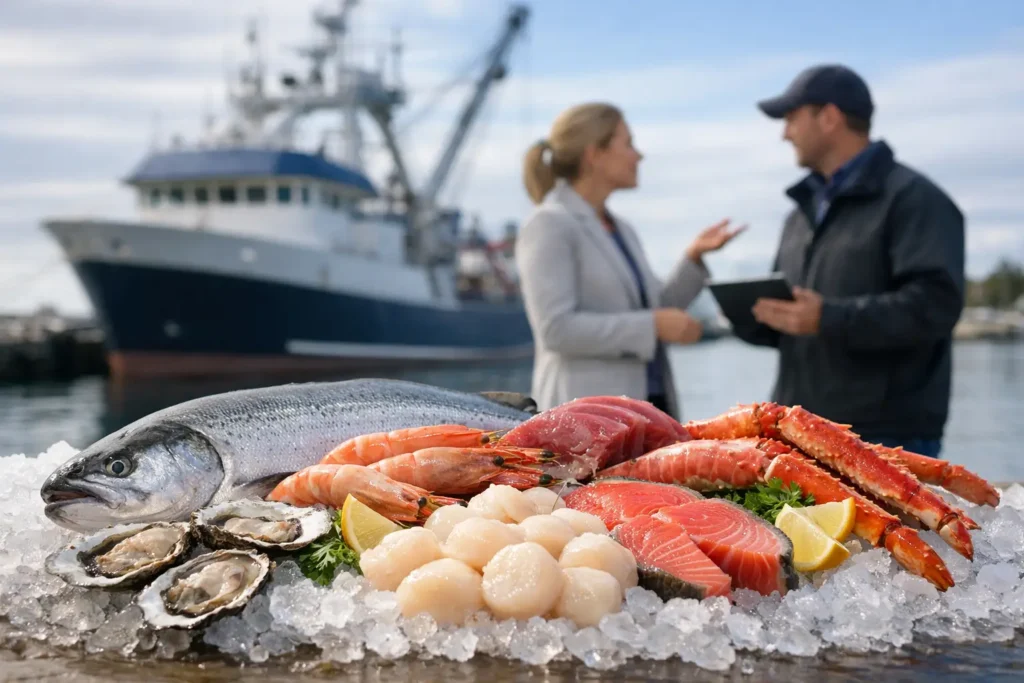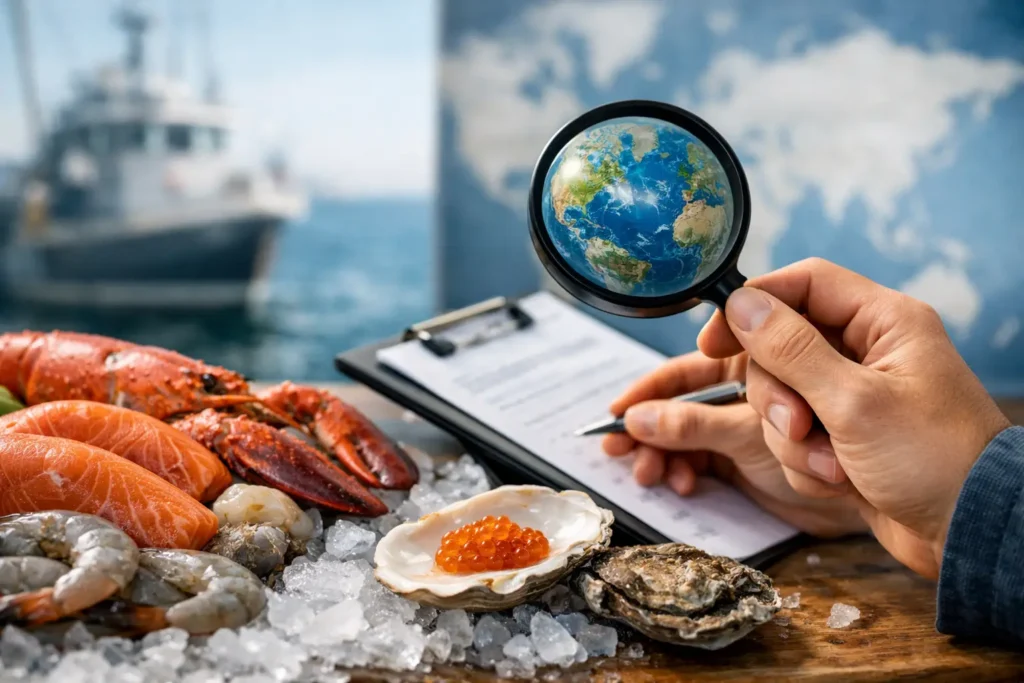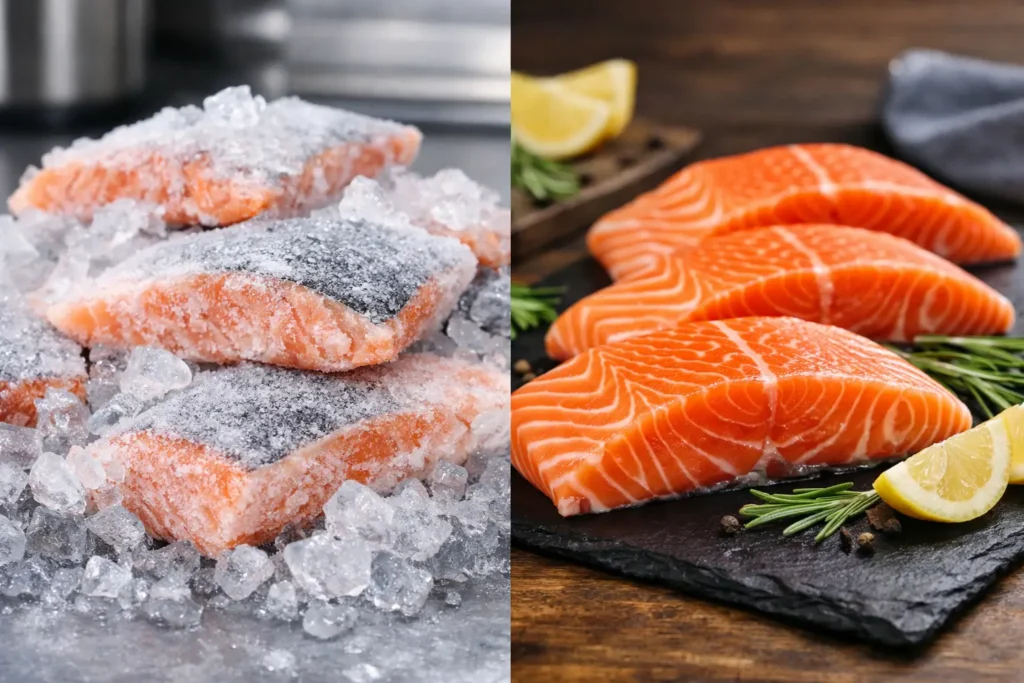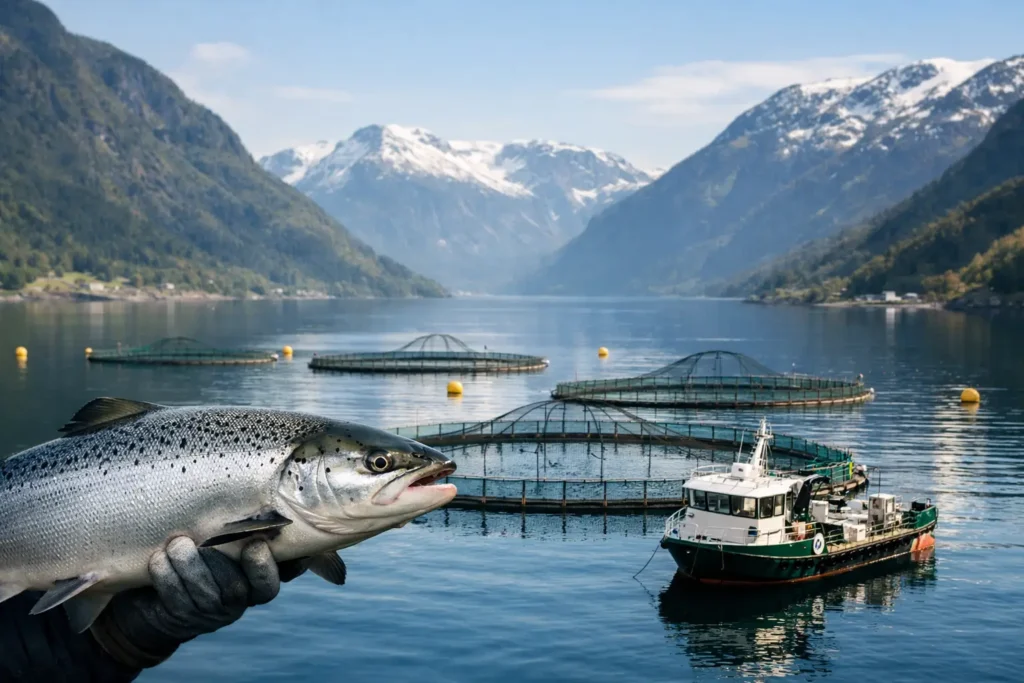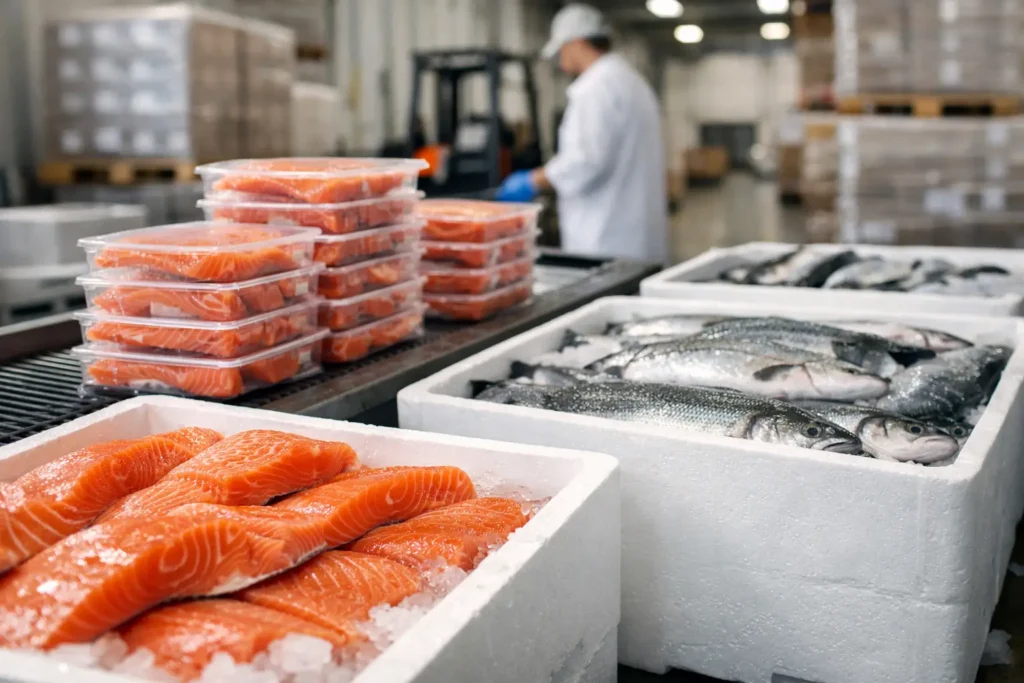


As a trusted export partner specializing in factory direct seafood pricing, we connect international buyers with premium seafood processed under strict quality systems and export-ready logistics. Our factory direct seafood pricing model supports seafood importers, wholesalers, processors, retailers, and foodservice distributors across North America, Europe, Asia, the Middle East, and Africa. Buyers choose our factory direct seafood pricing approach because it combines transparent sourcing, consistent product quality, dependable cold-chain management, and experienced export support. Through factory direct seafood pricing, procurement teams gain greater supply visibility, competitive commercial terms, and confidence in long-term sourcing relationships backed by recognized food safety standards.
Why Factory Direct Seafood Pricing from Us
International seafood procurement requires more than competitive pricing. Buyers must evaluate supplier capability, processing standards, logistics performance, and regulatory compliance before making sourcing decisions.
Our business model emphasizes direct relationships with processors and fishing operations. Eliminating unnecessary intermediaries improves supply transparency while helping buyers achieve predictable purchasing costs.
Years of seafood export experience allow us to understand changing import regulations, seasonal supply fluctuations, and customer-specific product specifications. This knowledge helps reduce procurement risks while supporting long-term commercial partnerships.
Our export network serves buyers throughout the United States, Canada, Europe, the Middle East, and Asia. Every shipment follows documented cold-chain procedures designed to preserve freshness, food safety, and product integrity.
Quality control begins at raw material selection and continues through processing, freezing, storage, loading, and export documentation. Dedicated customer support ensures buyers receive timely quotations, specification sheets, and shipment updates throughout the purchasing process.
Operations follow internationally recognized food safety systems including HACCP and other customer-required certification programs where applicable.
Factory Direct Seafood Pricing Overview
Factory direct seafood pricing refers to purchasing seafood directly from processors or export suppliers instead of relying on multiple trading intermediaries. This procurement model increases transparency while helping buyers maintain consistent product quality and pricing.
For Atlantic salmon, buyers increasingly prefer direct sourcing because it supports long-term contracts, specification consistency, and reliable inventory planning.
Scientific Name
Salmo salar
Species
Atlantic Salmon
Primary Fishing and Farming Regions
- Norway
- Iceland
- Scotland
- Faroe Islands
- Ireland
Seasonality
Atlantic salmon remains available throughout the year due to established aquaculture production and controlled harvesting schedules.
Nutritional Profile
Atlantic salmon provides:
- High-quality protein
- Omega-3 fatty acids
- EPA
- DHA
- Vitamin D
- Vitamin B12
- Selenium
- Iodine
Taste
Atlantic salmon offers a mild, clean flavor suitable for retail and foodservice applications.
Texture
The flesh is firm, moist, and rich with excellent cooking performance.
Market Demand
Global demand continues to expand across supermarkets, restaurants, meal-kit companies, seafood processors, and premium retail chains. Buyers increasingly prioritize reliable suppliers capable of maintaining stable supply throughout the year.
Available Product Specifications
| Product Type | Available Options |
|---|---|
| Whole Fish | Fresh, Frozen |
| Fillets | Trimmed, Boneless |
| Butterfly Cut | Available |
| Skin-On | Yes |
| Skinless | Yes |
| IQF | Available |
| Block Frozen | Available |
| Retail Packs | Multiple sizes |
| Foodservice Packs | Bulk packs |
| Bulk Packaging | Export cartons |
Standard Weights
| Product | Typical Weight |
|---|---|
| Whole Salmon | 4–7 kg |
| Large Whole Salmon | 7–9 kg |
| Fillets | 0.8–2 kg |
| Portions | 100–250 g |
| Steaks | 200–400 g |
Processing Options
International buyers often require customized processing based on customer preferences and destination markets.
Available processing includes:
- Whole fish
- Headed and gutted (H&G)
- Fillets
- Portions
- Steaks
- Vacuum packed
- Retail-ready packaging
- Private label production
- Customized export packaging
Each processing specification follows documented quality procedures to ensure consistency across production batches.
Fishing Areas
Atlantic salmon production primarily originates from some of the world’s most regulated marine environments.
Major sourcing regions include:
- FAO 27
- North Atlantic
- Norwegian Sea
- North Sea
- Iceland
- Faroe Islands
- Scotland
- Ireland
These regions operate under comprehensive fisheries management systems and environmental monitoring programs that support sustainable production.
Quality Assurance
International procurement teams evaluate suppliers based on traceability, compliance, and documented food safety systems rather than price alone.
Comprehensive quality programs typically include:
- HACCP implementation
- BRCGS certification
- IFS Food certification
- EU hygiene regulations
- Veterinary inspections
- Product traceability
- Batch identification
- Laboratory testing
- Cold-chain monitoring
Traceability allows buyers to identify processing dates, production batches, and shipment records throughout the supply chain.
Packaging Options
Packaging specifications vary according to customer requirements, retail formats, and destination markets.
Available packaging includes:
| Packaging Type | Description |
|---|---|
| Master Cartons | Export-grade corrugated cartons |
| Vacuum Packs | Individual sealed products |
| Retail Bags | Consumer-ready packaging |
| IQF Bags | Individually Quick Frozen |
| Bulk Cartons | Foodservice distribution |
| Custom Labels | Customer branding |
| Private Label | Retail programs |
| Mixed Pallets | Available upon request |
Container Loading
Typical export shipments include:
| Container | Approximate Capacity |
|---|---|
| 20′ Reefer | 10–12 MT |
| 40′ Reefer | 24–27 MT |
Container loading plans maximize airflow while maintaining consistent frozen temperatures throughout transit.
Export Markets
International seafood buyers increasingly seek suppliers capable of supporting multiple regulatory frameworks.
Our export capabilities serve markets including:
- United States
- Canada
- Germany
- France
- Spain
- Italy
- Netherlands
- Poland
- Japan
- South Korea
- China
- United Arab Emirates
- Saudi Arabia
- Qatar
- South Africa
Each destination requires careful management of import documentation, labeling requirements, veterinary certification, and customs procedures.
Logistics
Cold-chain logistics determine whether premium seafood arrives in optimal condition.
Export operations typically include:
- Frozen reefer containers
- Air freight for urgent shipments
- Ocean freight
- Temperature monitoring
- Export documentation
- Health certificates
- Catch certificates where applicable
- Customs clearance support
- Commercial invoices
- Packing lists
- Certificates of origin
- Incoterms including EXW, FOB, CFR, CIF, CPT, and DDP where agreed
Careful logistics planning minimizes delays while protecting product quality throughout international transportation.
Sustainability
Responsible seafood sourcing has become a procurement priority for retailers, distributors, and foodservice operators worldwide.
Responsible fisheries management includes:
- Science-based quota systems
- MSC-certified fisheries where applicable
- FAO recommendations
- Traceability programs
- Responsible harvesting
- Environmental stewardship
- Continuous monitoring
Sustainable sourcing protects marine ecosystems while supporting long-term commercial supply stability.
Health Benefits
Atlantic salmon remains one of the most nutritionally valuable seafood products available.
Its naturally occurring Omega-3 fatty acids support cardiovascular health and cognitive function. EPA and DHA contribute to brain development and healthy vision.
Atlantic salmon also supplies complete protein that supports muscle maintenance and recovery.
Vitamin D assists bone health and immune function, while Vitamin B12 contributes to normal nerve function and red blood cell formation.
Selenium acts as an antioxidant that supports cellular protection. Iodine remains essential for healthy thyroid function and metabolic regulation.
These nutritional qualities continue driving strong consumer demand across retail and foodservice sectors.
Why International Buyers Choose Us
International procurement professionals value suppliers that consistently deliver commercial reliability alongside product quality.
- Reliable year-round supply programs
- Competitive factory direct seafood pricing
- Consistent processing standards
- Flexible private-label solutions
- Flexible minimum order quantities
- Rapid quotation turnaround
- Dedicated export specialists
- Comprehensive documentation support
- Strong cold-chain management
- Responsive customer service
Frequently Asked Questions
What is Atlantic salmon for sale?
Atlantic salmon refers to commercially produced or harvested Salmo salar supplied for retail, foodservice, and industrial processing.
Where is Atlantic salmon caught?
It is harvested or farmed primarily in Norway, Scotland, Iceland, Ireland, and the Faroe Islands.
Is Atlantic salmon wild caught?
Most commercial Atlantic salmon is responsibly farmed under regulated aquaculture systems.
Can you supply private labels?
Yes. Many export programs include customized retail packaging and private-label solutions.
What is the minimum order quantity?
Minimum order quantities depend on product specifications and destination markets.
How much seafood fits into a reefer container?
A standard 40-foot reefer generally carries approximately 24–27 metric tons, depending on packaging.
What is the shelf life?
Frozen Atlantic salmon generally maintains quality for up to 24 months when stored correctly.
Which processing options are available?
Whole fish, H&G, fillets, portions, steaks, and customized processing are commonly available.
Which packaging options can be supplied?
Vacuum packs, IQF bags, retail packaging, bulk cartons, and private-label formats.
Which export documents are provided?
Commercial invoices, packing lists, health certificates, certificates of origin, and additional destination-specific documentation.
What are typical lead times?
Lead times vary according to production schedules, order volume, and shipping destination.
Do you supply frozen or fresh salmon?
Both frozen and fresh programs may be available depending on customer requirements.
Which certifications are supported?
Common certifications include HACCP, BRCGS, IFS Food, and customer-specific compliance requirements where applicable.
What payment terms are commonly offered?
Payment terms vary according to contract value, customer history, and negotiated commercial agreements.
Do you export globally?
Yes. International shipments support buyers throughout North America, Europe, Asia, the Middle East, and Africa.
Contact Our Export Team
Selecting the right seafood supplier requires careful evaluation of product specifications, food safety systems, logistics capability, and commercial reliability. If you are preparing a request for quotation, include your required species, product format, packaging specifications, destination port, estimated annual volume, and preferred Incoterms. Providing detailed procurement information helps suppliers deliver accurate pricing and realistic lead times.
Companies such as Nordpoll Seafood build their model around factory-direct sourcing, premium Norwegian seafood, and export-ready logistics.
Reliable sourcing consistently delivers greater long-term value than pursuing the lowest available price. Effective factory direct seafood pricing combines transparent supply chains, verified quality systems, dependable logistics, and responsive export support, enabling procurement teams to reduce risk while maintaining consistent seafood supply across global markets.