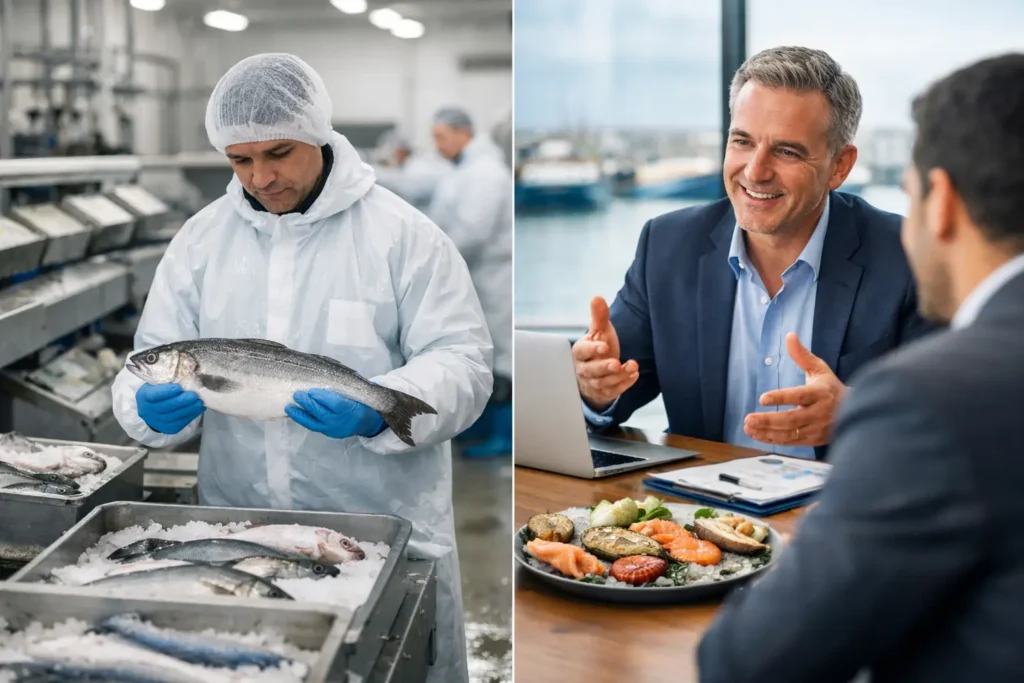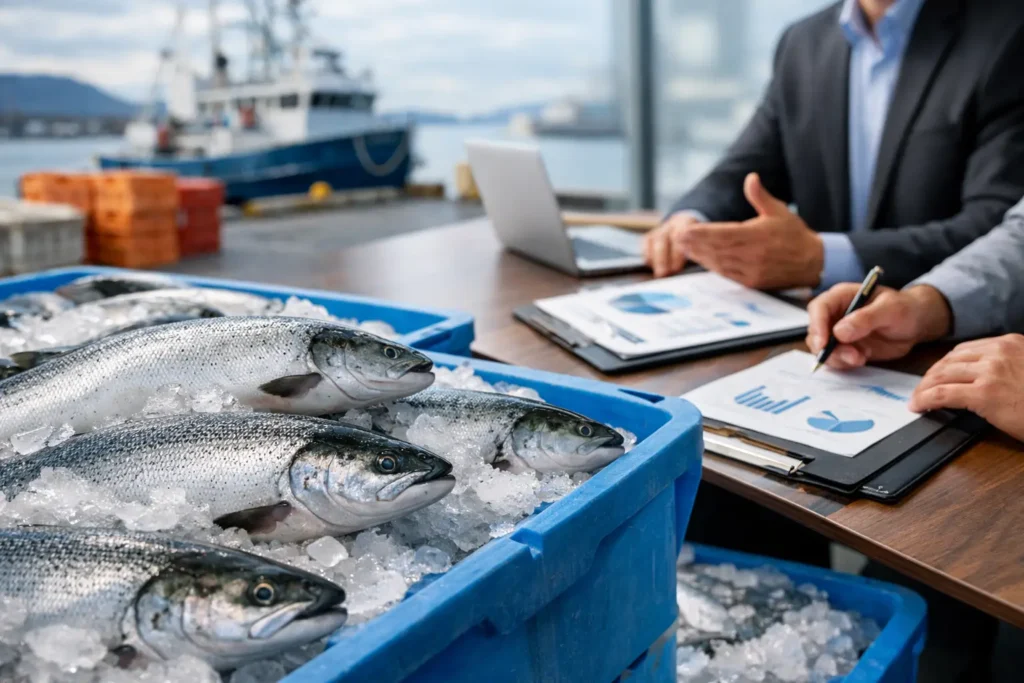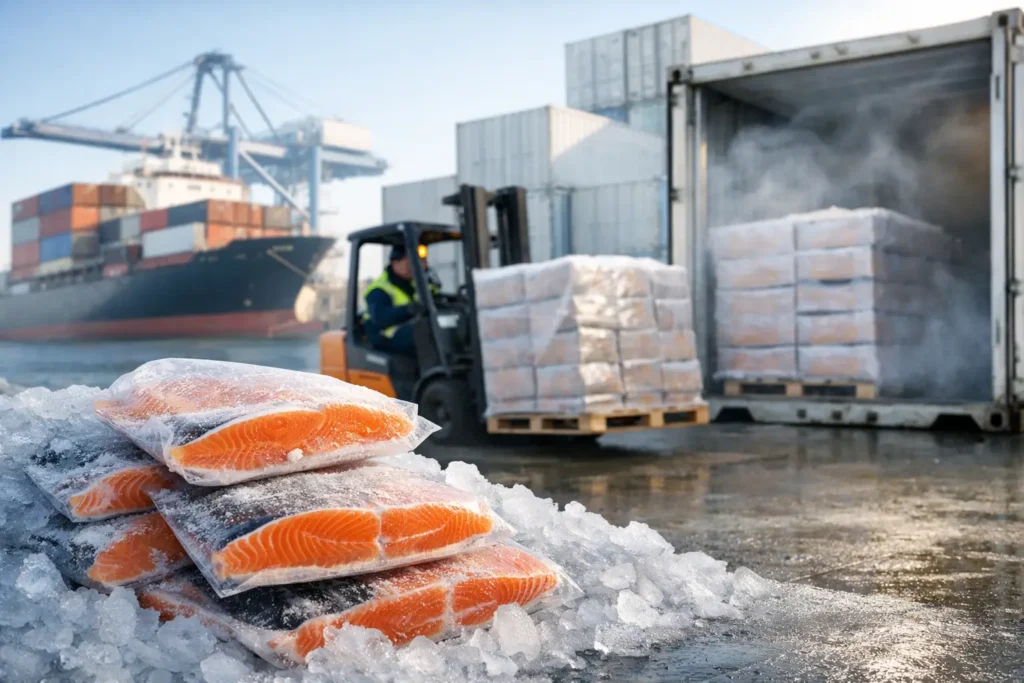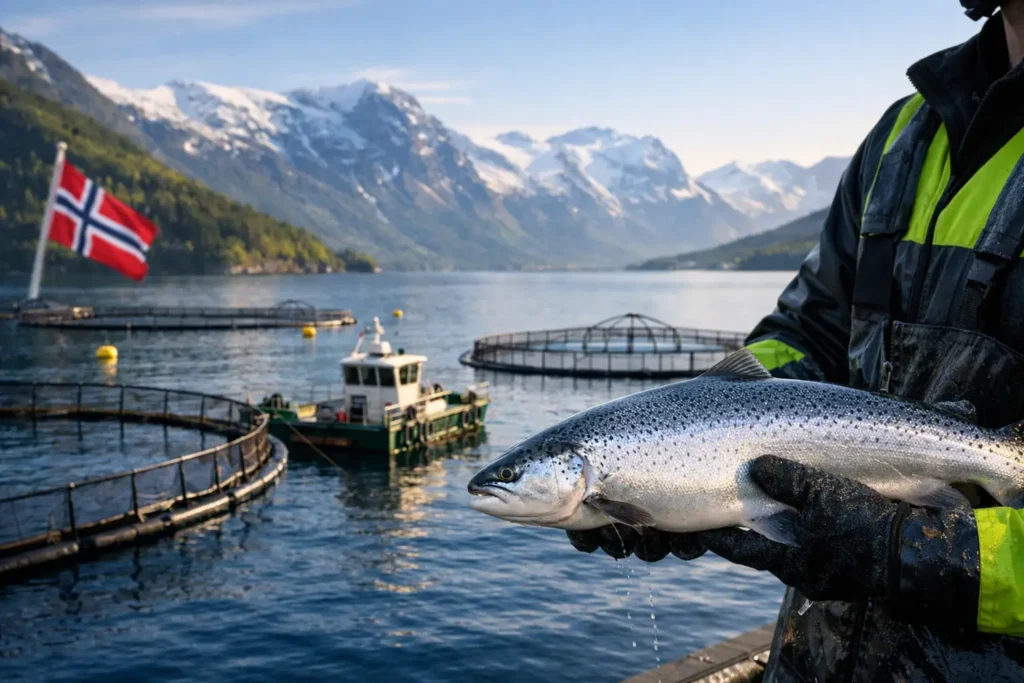


A missed container slot, uneven glazing, or incomplete health documents can turn a profitable seafood program into an expensive problem fast. That is why choosing the right salmon frozen exporting company is not a branding exercise. For importers, distributors, supermarket buyers, and foodservice groups, it is a supply chain decision with direct impact on margin, product performance, and customer confidence.
Frozen salmon is often treated as a commodity until a shipment arrives with inconsistent sizing, poor trim standards, or documentation gaps that slow customs clearance. Serious buyers know better. The exporter you choose affects raw material quality, processing control, cold-chain integrity, and the true landed cost of every kilo.
What a salmon frozen exporting company should actually deliver
A reliable export partner does more than quote a price per box. It should provide stable access to premium raw material, consistent processing specifications, export documentation, and logistics coordination built for international delivery.
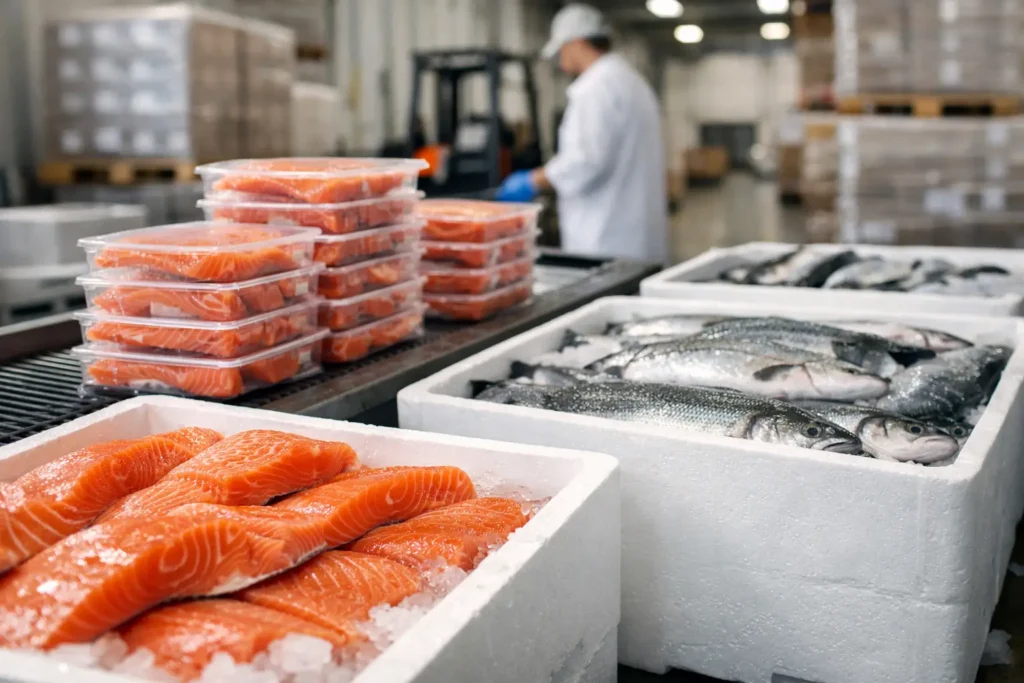
For wholesale buyers, frozen salmon must perform well beyond the first invoice. It needs to arrive in the agreed format, maintain quality through thawing and downstream handling, and match the specification your customers expect. That could mean whole frozen salmon, HOG fish, trimmed fillets, portions, or custom processing depending on the sales channel.
The strongest suppliers are structured around factory relationships and export execution, not spot trading. There is a big difference between a company that sources directly from certified farms and processors and one that simply brokers available stock. Brokers can be useful in short-term coverage situations, but for planned volume and repeat business, direct supply usually offers better consistency, better traceability, and tighter pricing control.
Why frozen salmon sourcing is not only about price
Price matters, especially in high-volume programs. But low headline pricing can hide costly weaknesses. If the fish size mix is inconsistent, if glazing percentages are unclear, or if carton weights vary more than expected, your cost model starts slipping immediately.
A dependable salmon frozen exporting company should be transparent about product specifications. Buyers should know species, origin, farming standards, processing location, packing format, net weight, glaze, trim level, and storage conditions before the order is confirmed. That level of detail is not administrative excess. It is the basis of commercial control.
There is also the issue of yield. Two frozen salmon offers may look similar on paper, but actual value depends on trim quality, flesh condition, fat distribution, and how the product performs after thawing. A lower price per unit is not necessarily cheaper if it creates higher loss rates or fails customer expectations at retail or foodservice level.
Key buying criteria for a salmon frozen exporting company
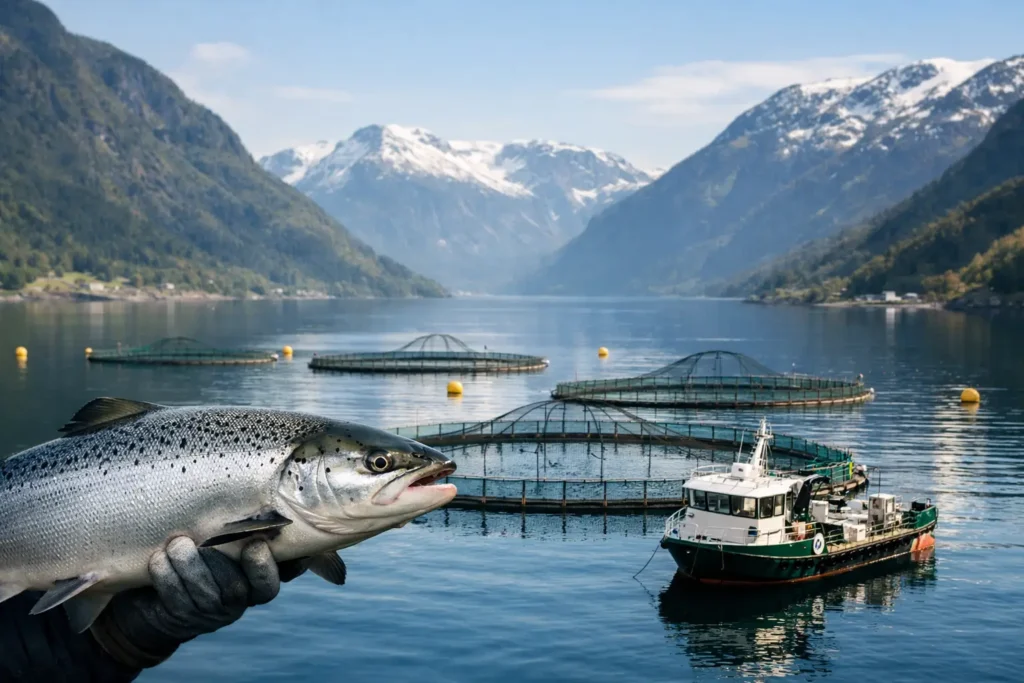
Quality starts at origin. Norwegian salmon remains a preferred option for many international buyers because of its farming standards, cold waters, and established processing infrastructure. Still, origin alone is not enough. The exporter should be able to document where the fish came from, how it was processed, and which certifications support the supply chain.
Traceability is one of the first things professional buyers should test. If a supplier cannot clearly explain farm origin, harvest timeline, processing batch control, and export documentation flow, that creates unnecessary risk. In regulated markets, documentation is part of the product.
Processing capability matters just as much. Some buyers need whole frozen fish for further distribution. Others need HOG salmon, C-trim fillets, or precise retail-ready cuts. A capable exporter understands that specification discipline is central to account retention. The more complex your downstream sales model, the more important this becomes.
Logistics competence is another major factor. Frozen seafood gives buyers a longer shelf life window than fresh product, but international fulfillment still depends on temperature control, booking reliability, and accurate paperwork. A weak logistics process can erase the advantages of frozen inventory.
Commercial buyers should also assess responsiveness. If specification changes, shipment updates, claims handling, or replenishment planning take too long, the relationship becomes expensive to manage. Reliability is operational, not promotional.
Common problems buyers face with frozen salmon exports
One common issue is fragmented sourcing. When an exporter relies on shifting supply from multiple uncontrolled channels, product consistency suffers. Fish color, size grading, fat level, and trim quality can vary from shipment to shipment, which creates problems for distributors and retailers trying to protect a uniform offering.
Another issue is unclear factory access. Some suppliers market themselves as direct exporters but still operate through several layers of intermediaries. That usually affects both price and accountability. When quality claims arise, too many handoffs make resolution slower and less precise.
Cold-chain weakness is another risk point. Frozen salmon is more forgiving than fresh fish in some respects, but temperature abuse still damages quality. Surface dehydration, texture changes, and packaging issues can all appear when storage and transit are not controlled properly.
Then there is documentation. For US and international buyers, health certificates, catch or farming declarations where relevant, packing lists, invoices, and compliance records must be accurate. Delays at destination often have less to do with product quality than with paperwork errors upstream.
Why factory-direct supply changes the equation
For buyers managing margin pressure, factory-direct sourcing can offer a meaningful advantage. Removing unnecessary intermediaries can improve price competitiveness, but the bigger benefit is often control. A direct relationship with the exporter means faster answers on specifications, more accurate production planning, and clearer responsibility when issues need to be resolved.
This model is especially relevant for large-volume seafood programs. Supermarkets, distributors, and industrial processors typically need stable replenishment rather than opportunistic spot buys. A salmon frozen exporting company with real factory access can support forecast-based purchasing more effectively than a trader built around ad hoc inventory.
Factory-direct supply also supports better customization. If you need a defined weight band, private label packing structure, specific trim profile, or pallet configuration for your market, direct coordination with the processing side is usually far more efficient.
What serious importers should ask before placing volume
Before moving forward, buyers should test the supplier on practical details. Ask how raw material is sourced, which factories process the fish, and what formats are available year-round versus seasonally. Ask for clear product specifications and confirm whether the quoted price reflects net weight, glaze assumptions, and packing details.
It is also worth discussing lead times and container planning early. Frozen seafood supply can be stable, but booking conditions, production capacity, and destination logistics still affect timing. A supplier that gives realistic lead times is usually more valuable than one that overpromises for the sake of winning the order.
Claims handling is another area buyers often overlook until there is a problem. Ask how quality disputes are reviewed, what evidence is needed, and how resolutions are managed. Professional exporters already have a process. If the answer is vague, that usually tells you enough.
Matching product format to your sales channel
Not every buyer needs the same frozen salmon program. Retail-driven businesses may prioritize fillet consistency, visual quality, and consumer-ready sizing. Foodservice buyers may focus more on versatility, thaw performance, and portion control. Distributors often need a broader format mix to serve different accounts from one supply base.
That is why the best exporter is not always the cheapest or the largest. It is the one that fits your operating model. If your customers buy high volumes of whole fish, a supplier strong in standard frozen whole salmon may be ideal. If your business depends on exact trim and portion specs, processing precision should weigh more heavily in the decision.
For many buyers, Norwegian-origin supply remains attractive because it combines premium seafood positioning with mature export infrastructure. Companies such as Nordpoll Seafood build around that combination – direct sourcing, export-ready logistics, and commercially structured supply for international B2B customers.
Choosing for the long term, not the next container
A frozen salmon supplier should help reduce volatility, not add to it. That means stable quality, transparent communication, and realistic commercial terms over time. The best partnerships are built on repeatability. Buyers know what they will receive, when it will ship, and how issues will be handled if the unexpected happens.
There is always an argument for shopping the market aggressively, especially when prices move. But in seafood, the cheapest short-term deal often creates long-term cost through inconsistency, waste, and account friction. Buyers with serious volume requirements usually do better with a trusted long-term seafood partner that understands factory standards, documentation demands, and global delivery.
If you are evaluating a salmon frozen exporting company, look past the sales sheet and test the operating model behind it. The right supplier should give you premium product, traceable origin, dependable execution, and factory pricing that holds up beyond the first shipment. That is what makes frozen salmon supply commercially useful, not just available.