

A price sheet can look competitive until the first late container, quality claim, or missing document turns a good buy into an expensive problem. For procurement teams buying salmon and trout at scale, the supplier model matters as much as the fish itself. That is why many importers, distributors, retailers, and foodservice operators prefer a factory direct seafood supplier rather than working through layers of traders.
The difference is not just about price. A direct supply model affects traceability, spec control, lead times, documentation accuracy, and how quickly issues are resolved when the market tightens. For serious B2B buyers, those details shape margin, planning, and customer confidence.
What a factory direct seafood supplier actually means
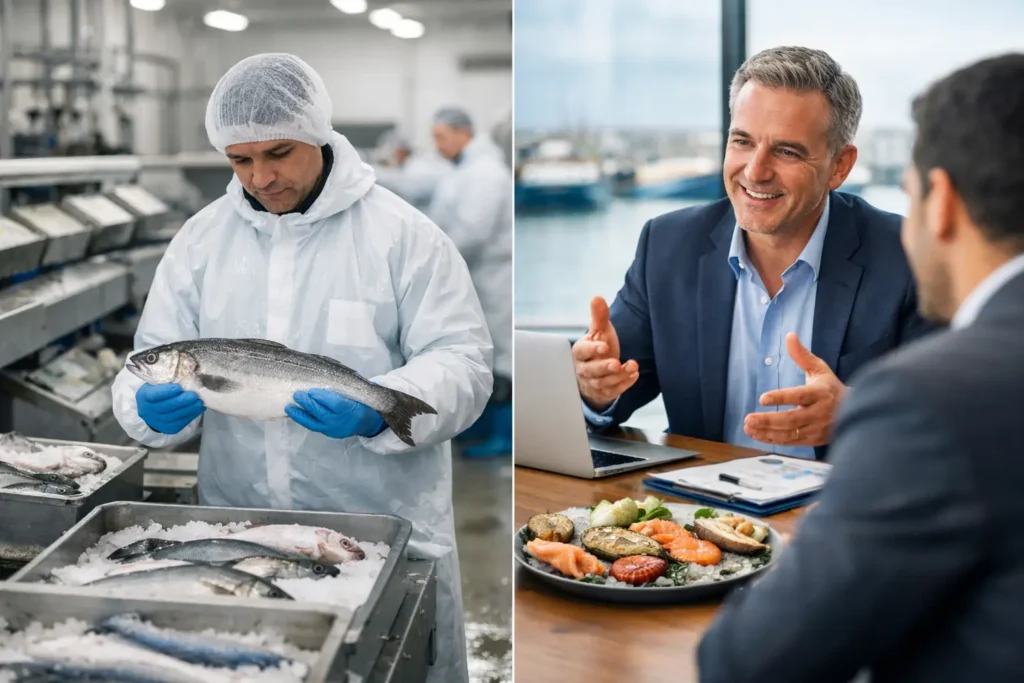
A factory direct seafood supplier sources product straight from approved farms and processing facilities, then manages export and delivery for business buyers without unnecessary intermediaries in the chain. In practical terms, that means the buyer is closer to the origin of the fish, closer to production schedules, and closer to the teams responsible for grading, packing, and compliance.
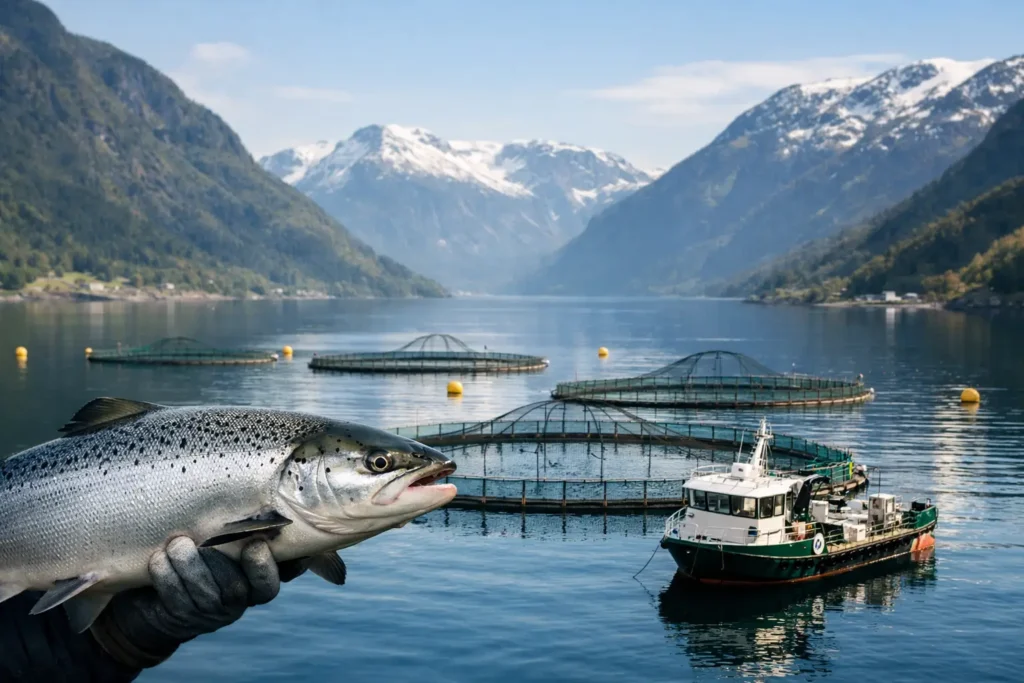
This model is especially relevant in Norwegian salmon and trout, where product quality depends on disciplined farming standards, modern processing, and a cold chain that stays intact from harvest to arrival. When supply moves through multiple brokers, visibility often drops. Specifications can become diluted, communication slows down, and accountability becomes less clear.
Direct does not always mean buying from a single processing line with no commercial support in between. In export markets, buyers still need a partner that can coordinate documentation, freight, temperature control, and customs handling. The value comes from direct factory access combined with export competence, not from removing every commercial layer regardless of operational risk.
The commercial advantage of buying direct
For most wholesale seafood buyers, the first question is simple: does buying direct improve landed cost without increasing risk? Often, the answer is yes.
Every extra intermediary adds margin. Sometimes that margin pays for a useful service, especially in fragmented markets or for small-volume buyers. But for larger recurring orders, additional layers can inflate pricing without improving product control. A factory-direct structure helps reduce avoidable markups and gives buyers a clearer basis for negotiating around size, trim, packing format, and shipment frequency.
The savings are not always dramatic on paper for every shipment. Market conditions, harvest cycles, airfreight or ocean freight rates, and destination requirements all affect final cost. Still, direct sourcing tends to create better pricing discipline over time because the chain is shorter and the cost structure is easier to understand.
That matters even more in contract purchasing. Retail programs, foodservice groups, and industrial processors need dependable numbers, not one-off deals that disappear after a few weeks. A supplier with direct production relationships is usually better positioned to support stable supply discussions over the long term.
Why direct sourcing improves quality control
Premium seafood buying is about consistency, not just appearance on arrival. A fillet that meets weight and trim specs this week but drifts next month creates waste, labor inefficiency, and customer complaints. Direct sourcing gives buyers stronger control over those variables.
When the supplier is close to the processing facility, specifications can be aligned more precisely. That includes whole fish, HOG, trimmed fillets, frozen formats, packing standards, glazing, labeling, and grading. It also makes it easier to communicate changes if a buyer needs a different cut or production plan.
With salmon and trout, handling discipline is critical. Temperature management, harvest timing, processing speed, and packaging all influence shelf life and product performance. A supplier working directly with the source can monitor these factors more effectively than a trader who only sees the paperwork after production is complete.
That said, direct supply is not a guarantee of perfect quality. The real test is whether the supplier has documented standards, certified sourcing, and a process for dealing with claims quickly and professionally. Buyers should look beyond the phrase itself and evaluate how quality is actually managed.
Traceability is stronger when the chain is shorter
US and international buyers face increasing pressure to verify origin, food safety, and sourcing standards. Retailers want confidence in farm and processing history. Distributors want paperwork that supports customer requirements. Import teams want fewer surprises when product reaches inspection points.
A factory direct seafood supplier usually offers better traceability because fewer parties touch the transaction. Product origin, lot data, health certificates, and export documentation are easier to connect back to the source. That reduces the chance of conflicting information and helps buyers respond faster when customers ask for verification.
For Norwegian salmon and trout, traceability is also part of brand value. Buyers are not just purchasing fish. They are purchasing confidence in farming standards, processing discipline, and a country-of-origin reputation tied to premium seafood. That value becomes more credible when the supply chain remains transparent.
Logistics is where direct suppliers prove their value
A seafood supplier can offer a strong price and good product, but if logistics fail, the relationship usually fails with it. This is where many buyers separate serious export partners from opportunistic traders.
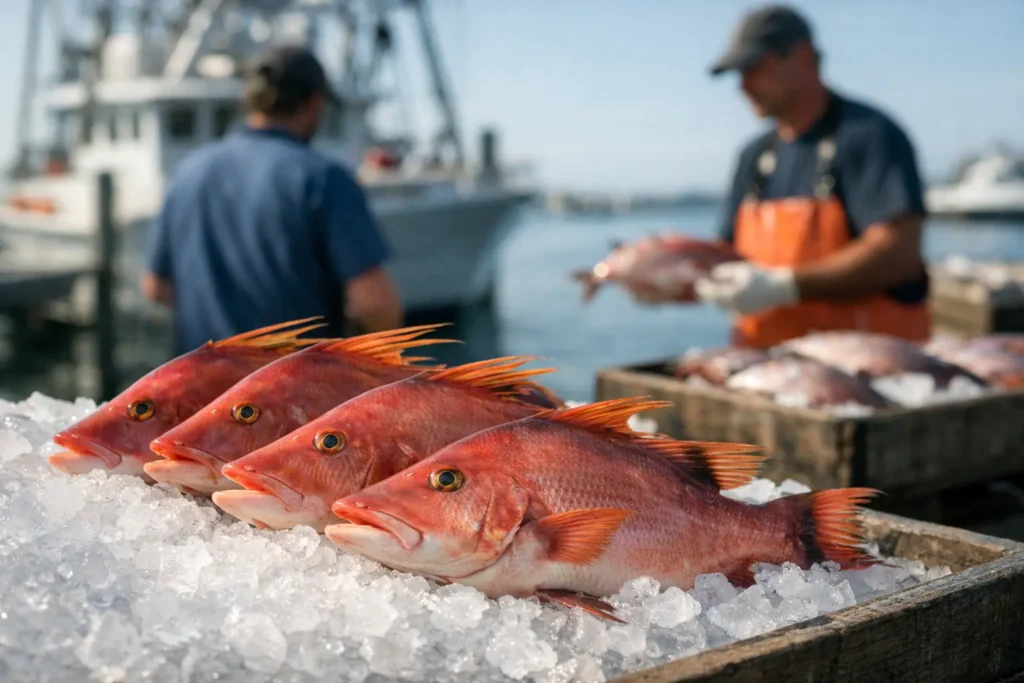
International seafood supply requires more than booking freight. It requires correct export documents, coordinated cold-chain handling, realistic transit planning, and responsiveness when shipping conditions change. A direct supplier with export experience can align factory production with vessel or air schedules and reduce the handoff problems that often create delays.
For US buyers, this is especially important when planning around promotions, retail resets, restaurant demand, or processing schedules. Product arriving late is not only a freight issue. It can affect inventory turns, customer commitments, and labor planning across the business.
The best direct suppliers understand that logistics is part of the product. Premium seafood must arrive in the right condition, in the right format, with the right documentation, at the right time. If one element breaks down, the shipment loses value fast.
When a factory direct seafood supplier is the right fit
This model is particularly effective for buyers with recurring volume and clear product specifications. Supermarket purchasing teams, seafood distributors, wholesalers, restaurant groups, and industrial users often benefit the most because they can convert direct pricing and production alignment into stronger margins and more stable supply.
It also suits buyers that care about origin verification and long-term supply planning. If your business needs regular loads of fresh or frozen salmon and trout, direct factory access creates a more reliable operating structure than spot buying through multiple channels.
There are cases where direct sourcing may be less practical. Smaller buyers with mixed-spec, low-volume orders sometimes rely on consolidators because they need flexibility more than factory-level alignment. In those situations, a distributor may be the better fit. The right model depends on order size, forecast quality, import capability, and how much control the buyer wants over specifications.
What to ask before choosing a direct supplier
The strongest buyers do not stop at pricing. They ask where the fish is sourced, what certifications support the product, which formats are available, how claims are handled, and what documentation is included with export shipments. They also want to know whether the supplier can support both fresh and frozen programs and whether volume can scale during high-demand periods.
It is also worth asking how closely the supplier works with processing facilities. Direct access should translate into practical advantages: better production visibility, more accurate lead times, and faster responses when specifications need adjustment.
For buyers sourcing Norwegian salmon and trout, a company such as Nordpoll Seafood fits this model by combining factory-direct access with export-ready logistics and a product range built for wholesale demand. That combination matters because direct supply only creates value when execution is as strong as the sourcing itself.
The best seafood partnerships are rarely built on the lowest quote alone. They are built on supply consistency, credible traceability, commercial transparency, and deliveries that arrive as promised. If those priorities matter to your business, choosing a factory direct seafood supplier is not just a sourcing decision. It is a smarter way to protect margin, product quality, and customer trust over time.