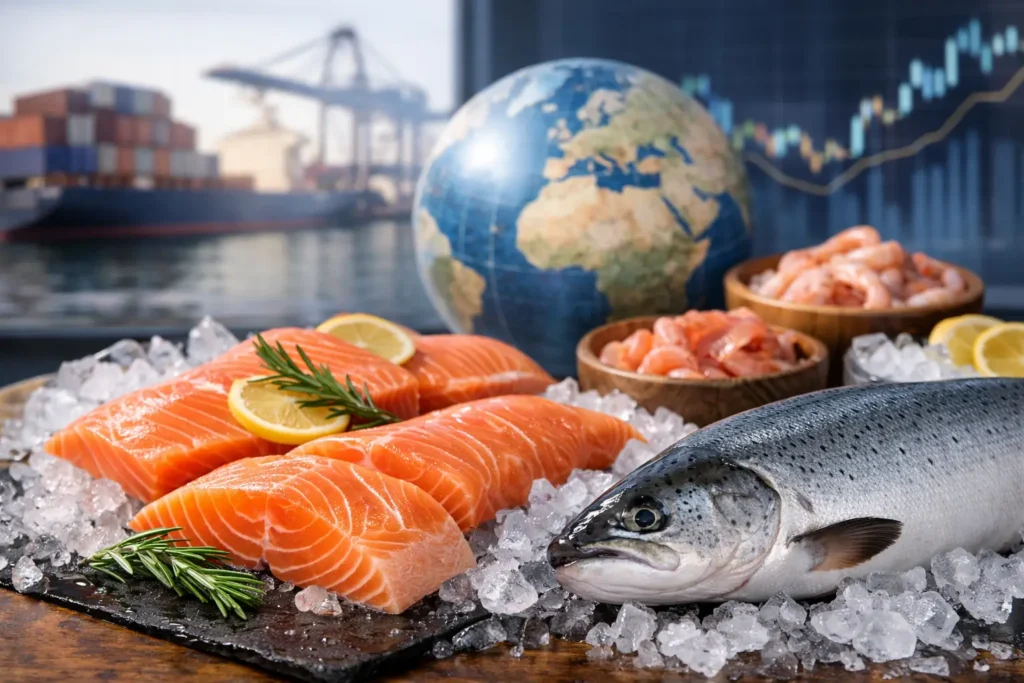

Norwegian salmon (Salmo salar) is renowned worldwide for its superior quality, delicate flavor, and exceptional health benefits. Whether grilled, smoked, or served raw in sushi, Norwegian salmon has established itself as a favorite among seafood lovers and chefs alike. But what makes Norwegian salmon so special? In this article, we will explore the numerous reasons why this fish is a staple on dinner tables across the globe, while highlighting its sustainable production methods and rich nutritional profile.
What is Norwegian Salmon (Salmo salar)?
Norwegian salmon, scientifically known as Salmo salar, is a species of fish native to the cold waters of the North Atlantic Ocean. It is commonly farmed in the pristine fjords of Norway, where the ideal conditions for raising salmon—clean water, strong currents, and a mild climate—help produce fish with a unique texture, flavor, and nutritional content.
Unlike other types of farmed salmon, Norwegian salmon undergoes stringent quality controls, ensuring that every fillet meets high standards for taste and freshness. The clean and natural environment in which they are raised allows the fish to grow to a healthy size with minimal exposure to pollutants and contaminants.
The Nutritional Benefits of Norwegian Salmon
Norwegian salmon is a powerhouse of essential nutrients, making it an excellent addition to any diet. The fish is an abundant source of omega-3 fatty acids, which are vital for heart health and overall well-being. Omega-3s, particularly EPA and DHA, have been shown to lower the risk of cardiovascular diseases, improve brain function, and reduce inflammation in the body.
Other important nutrients in Norwegian salmon include:
-
High-Quality Protein: Each serving of Norwegian salmon provides a generous amount of protein, essential for muscle building, immune support, and tissue repair.
-
Vitamins and Minerals: Rich in vitamins A, D, and B12, as well as important minerals like selenium and iodine, Norwegian salmon supports bone health, boosts immunity, and helps maintain thyroid function.
For those looking to maintain a balanced, nutritious diet, incorporating Norwegian salmon can provide a wide range of health benefits, while satisfying your palate with its rich, buttery taste.
The Taste of Norwegian Salmon: A Culinary Delight
One of the key features that distinguish Norwegian salmon from other varieties is its exceptional taste. The fish has a mild, yet rich flavor that is both fresh and slightly sweet.
Here are some popular cooking methods for Norwegian salmon:
-
Grilled or Pan-Seared: Perfect for a quick, healthy meal. The crisp edges and tender interior make it a crowd favorite.
-
Baked or Roasted: A simple yet elegant way to cook salmon, bringing out its natural flavors.
-
Sushi and Sashimi: With its premium quality, Norwegian salmon is a perfect choice for making sushi or sashimi, offering a clean, fresh taste.
-
Smoked Salmon: Another beloved preparation of Norwegian salmon is smoking, which imparts a savory, smoky flavor while preserving the fish.
Regardless of your culinary skills or preferences, Norwegian salmon provides the versatility needed to create flavorful dishes that will delight your guests or family members.
Norwegian Salmon and Sustainability
One of the most compelling reasons to choose Norwegian salmon is its commitment to sustainability. Norway is a global leader in responsible aquaculture, and its salmon farms adhere to strict environmental and ethical guidelines. These standards ensure that salmon farming practices do not harm the surrounding ecosystem or deplete natural resources.
Key factors contributing to the sustainability of Norwegian salmon include:
-
Feed Quality and Sourcing: Norwegian salmon is fed high-quality, sustainable feed made from fishmeal and plant-based ingredients, reducing the environmental impact of traditional fishing.
-
Environmental Standards: Norway enforces regulations to minimize pollution in farming operations, such as controlling waste disposal and preventing harmful chemicals or antibiotics from entering the water
-
Fish Welfare: Norwegian farms prioritize fish health and welfare, ensuring that the fish are raised in an environment that closely mimics their natural habitat, thus reducing stress and promoting healthy growth.
Why Choose Norwegian Salmon Over Other Varieties?
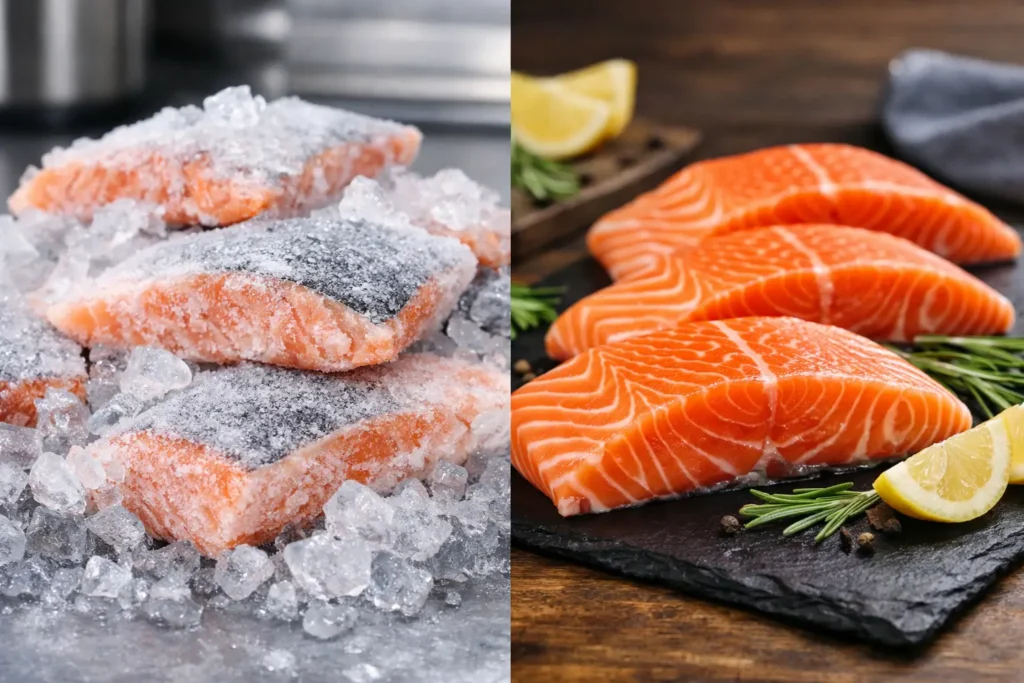
When shopping for salmon, look for labels that specify the origin of the fish.
How to Incorporate Norwegian Salmon into Your Diet
Including Norwegian salmon in your meals is an easy and tasty way to boost your omega-3 intake. Here are a few simple ideas:
-
Salmon Salad: Toss grilled or baked Norwegian salmon into a salad for a light, refreshing meal.
-
Salmon Tacos: Add grilled salmon to soft tacos with fresh vegetables and a tangy sauce for a delicious twist on a classic dish.
-
Salmon Bowl: Create a healthy, balanced bowl with rice, vegetables, and a fillet of Norwegian salmon.
-
Salmon Stir-fry: Stir-fry Norwegian salmon with your favorite veggies and a soy-based sauce for a quick and flavorful dinner.
Conclusion
Norwegian salmon (Salmo salar) is more than just a tasty treat; it’s a nutritional powerhouse and an eco-friendly choice that supports sustainable fishing practices. With its delicate flavor, firm texture, and numerous health benefits, it’s no wonder Norwegian salmon is a preferred choice for seafood lovers around the world.
By choosing Norwegian salmon, you are making a conscious decision to prioritize both your health and the environment. So, the next time you’re planning a meal, opt for this delicious and nutritious fish, and enjoy a taste of Norway in every bite.
SEO Keywords: Norwegian salmon, Salmo salar, omega-3 fatty acids, sustainable salmon, health benefits of salmon, Norwegian fish farming, premium salmon, smoked salmon, grilled salmon, farmed salmon, best salmon for sushi, healthy salmon recipes.