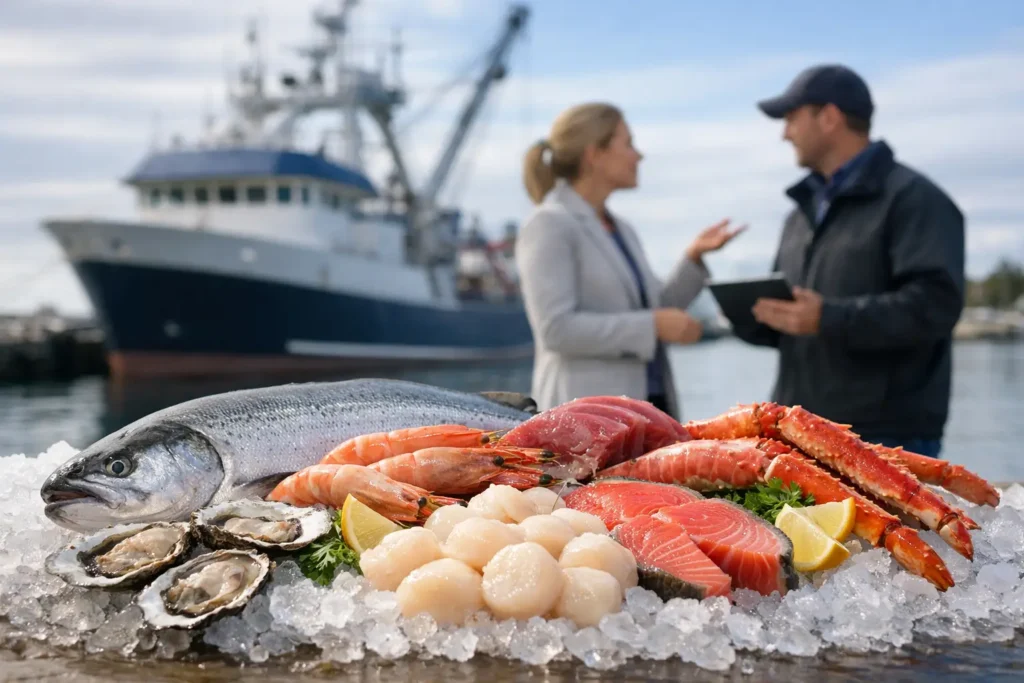


A salmon specification can look identical on paper while the production system behind it differs significantly. For importers, distributors, retailers, and foodservice groups, sustainable Norwegian aquaculture is not a marketing statement. It is a sourcing standard that affects traceability, product consistency, regulatory documentation, supply continuity, and long-term commercial risk.
Norway is one of the world’s largest producers of farmed Atlantic salmon, supported by cold coastal waters, established farming infrastructure, processing capacity, and export controls. That scale matters to buyers who need regular volumes of fresh or frozen salmon and trout. But scale alone does not make a supply chain sustainable. Buyers still need to understand how fish are raised, fed, monitored, harvested, processed, and delivered.
What Sustainable Norwegian Aquaculture Means in Commercial Terms
Sustainable aquaculture is the ability to produce seafood over time while managing environmental impact, fish health and welfare, feed resources, and local community considerations. In Norway, salmon and trout farming operates under a regulated framework that includes licensing, site controls, fish-health oversight, environmental monitoring, and food safety requirements.
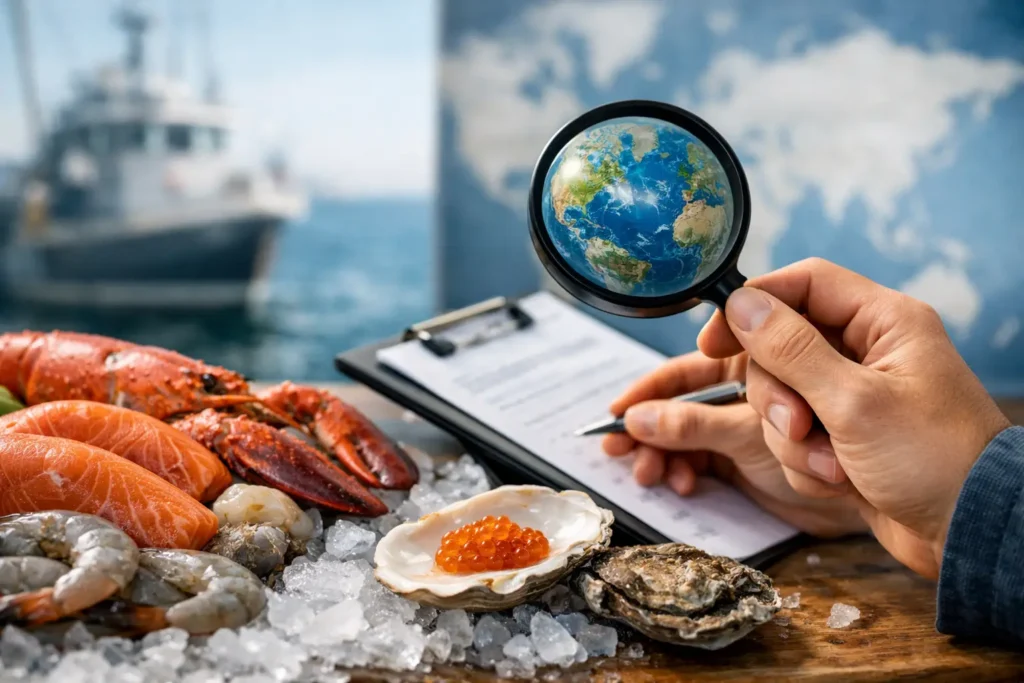
For a B2B buyer, the practical value is greater visibility into the origin of each shipment. A well-managed Norwegian supply chain can provide farm origin, species, harvest date, processing details, product format, lot information, and relevant certification or compliance documentation. This information helps procurement teams meet customer requirements and respond quickly when a retailer, regulator, or foodservice customer requests product records.
Sustainability should also be viewed as a supply reliability issue. Farms with disciplined biological management are better positioned to maintain predictable harvest plans. There are still variables – water conditions, fish health events, seasonal logistics, and market demand can affect availability – but transparent production controls give buyers a stronger basis for planning than vague sourcing claims.
The Production Controls Buyers Should Look For
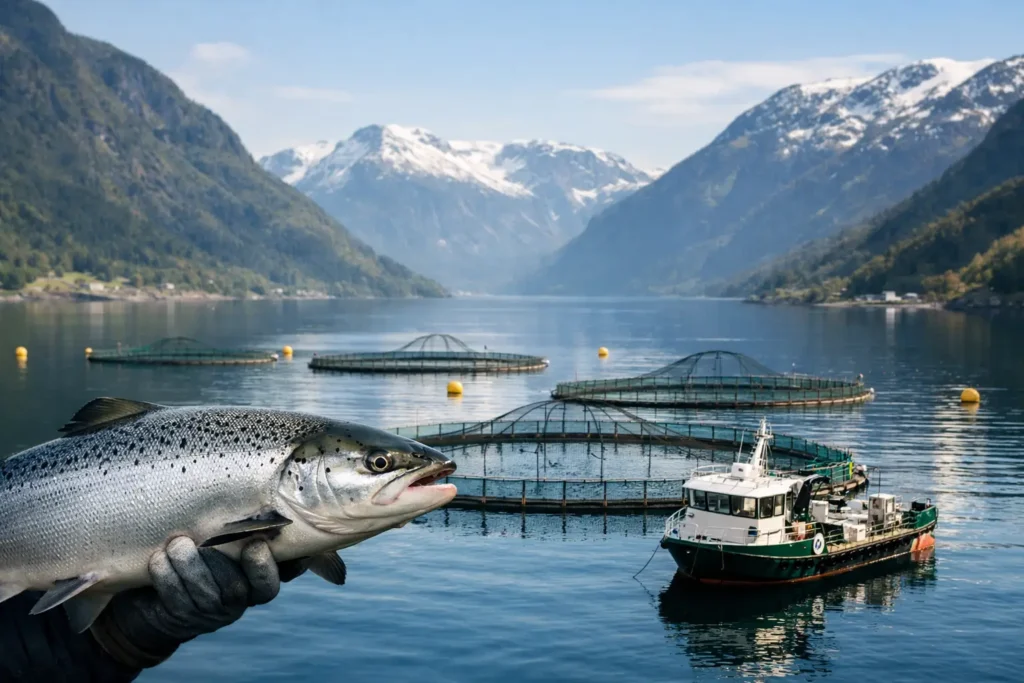
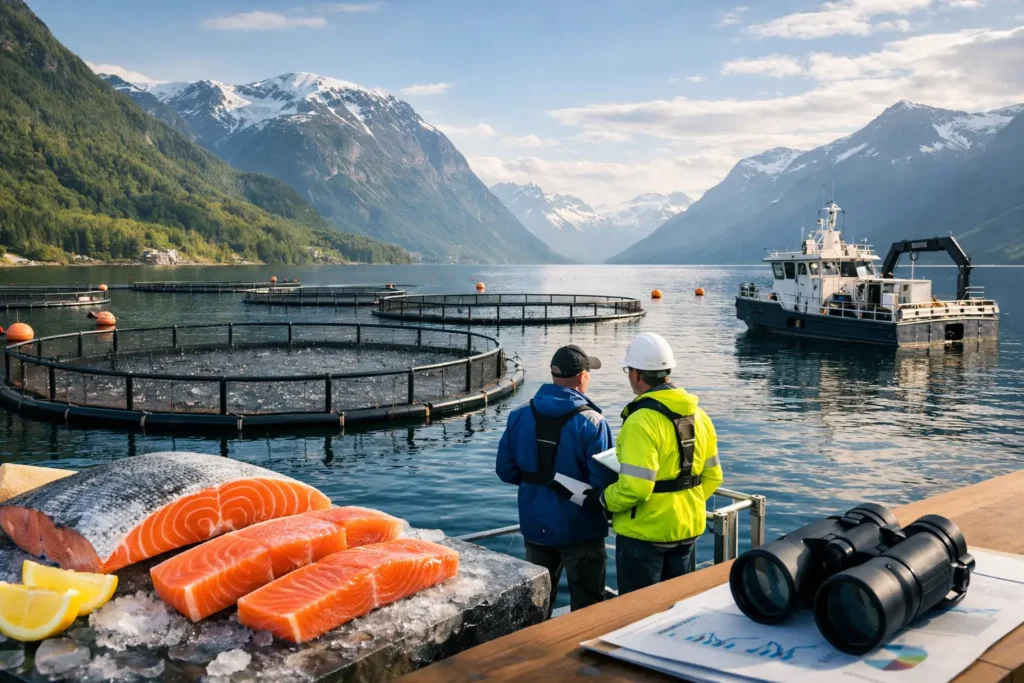
Norwegian aquaculture is built around a production cycle that begins with smolt raised in freshwater facilities before transfer to licensed sea sites. Fish are monitored throughout the grow-out period, then harvested and processed under controlled conditions. Each stage creates information that can support traceability.
Fish health and welfare are central to sustainable production, both ethically and commercially. High mortality, disease pressure, or poor welfare can disrupt harvest volumes and affect customer confidence. Responsible farms use veterinary supervision, health plans, water-quality monitoring, vaccination programs, and site-management practices designed to reduce biological risk.
Sea lice management is another key issue. Lice occur naturally in marine environments, but elevated levels can affect farmed salmon and potentially interact with wild salmon populations. Management approaches can include coordinated treatment, cleaner fish, physical barriers, operational controls, and biological monitoring. No single method is right for every site. Buyers should favor suppliers that can explain their farm-management approach, not simply state that lice are controlled.
Escape prevention also remains a material measure of farm performance. Escaped fish can create ecological concerns, particularly where wild salmon stocks are present. Modern cage systems, inspection routines, maintenance procedures, staff training, and incident reporting are all part of reducing that risk. A credible sourcing partner should be prepared to discuss origin controls and the standards applied by its supplying facilities.
Feed Is the Most Important Sustainability Trade-Off
Feed is often the most complex part of sustainable salmon farming. Salmon require nutritionally balanced diets, and feed ingredients can include marine raw materials, plant-based proteins and oils, and increasingly alternative ingredients. The sustainability question is not answered by one ingredient alone. It depends on where ingredients come from, how they are produced, their nutritional performance, and their impact on fish health and resource use.
Marine ingredients may come from responsibly managed fisheries and fish-processing by-products. Plant ingredients can reduce reliance on wild-caught fish, but they also raise questions about land use, deforestation risk, and supply-chain verification. Alternative ingredients, such as algae-based oils or insect meal, may support diversification but are not always available at the volume or cost required for every feed program.
For buyers, the right question is whether the farm and feed supply chain have measurable procurement standards. Ask how marine ingredients are sourced, whether feed suppliers maintain responsible sourcing policies, and how the producer evaluates emerging feed ingredients. This is more meaningful than expecting a farmed salmon supply chain to have zero environmental impact. Every protein system involves trade-offs. The objective is documented improvement, efficient resource use, and responsible control of known impacts.
Traceability Protects the Buyer as Well as the Consumer
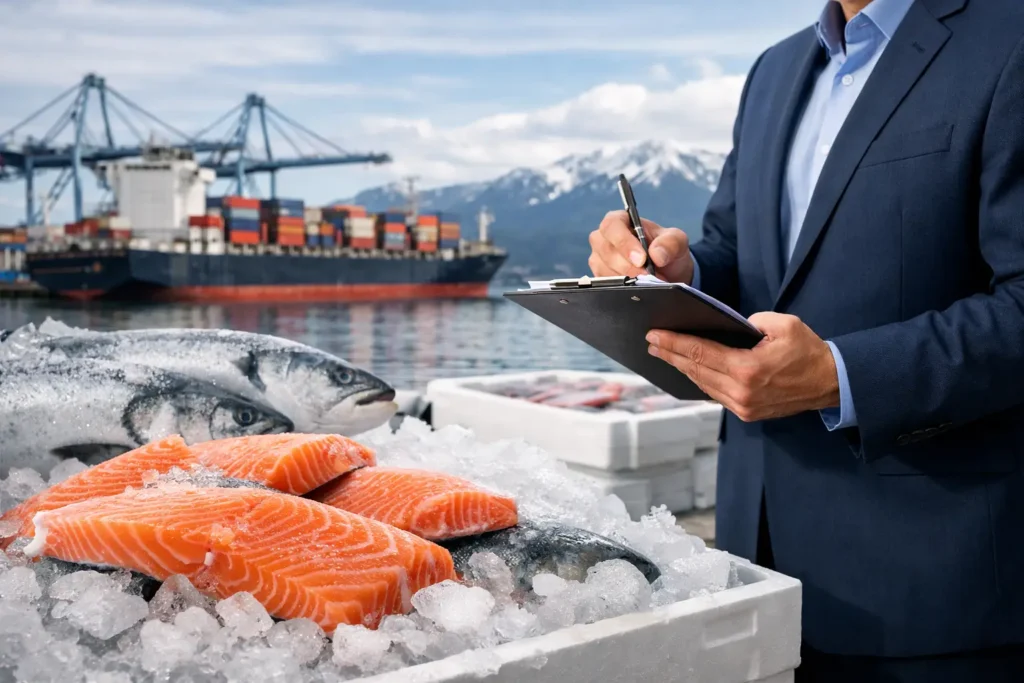
Traceability is where sustainability becomes operational. A buyer should be able to connect a finished product – whether fresh whole salmon, HOG fish, trimmed fillets, or frozen trout – back through processing and harvest to an identifiable farming source.
This level of control supports food safety, export compliance, quality assurance, and responsible sourcing commitments. It also reduces the time needed to investigate a specification issue, temperature concern, labeling question, or customer inquiry. In international trade, speed and accuracy of documentation can be as important as the fish itself.
When evaluating a Norwegian seafood supplier, request clarity on four areas:
- Farm and processing origin, including lot-level traceability where applicable.
- Product specifications, such as species, size range, trim standard, glaze, packaging, and shelf-life expectations.
- Food safety and certification documentation relevant to the destination market and customer program.
- Cold-chain handling, export paperwork, delivery terms, and responsibilities from factory release to final destination.
A supplier that works directly with certified farms and processing facilities can often provide clearer documentation and faster answers than a fragmented chain involving several intermediaries. Direct sourcing can also improve price transparency, particularly for high-volume buyers who need factory prices and stable product specifications.
Sustainability Does Not Replace Quality Control
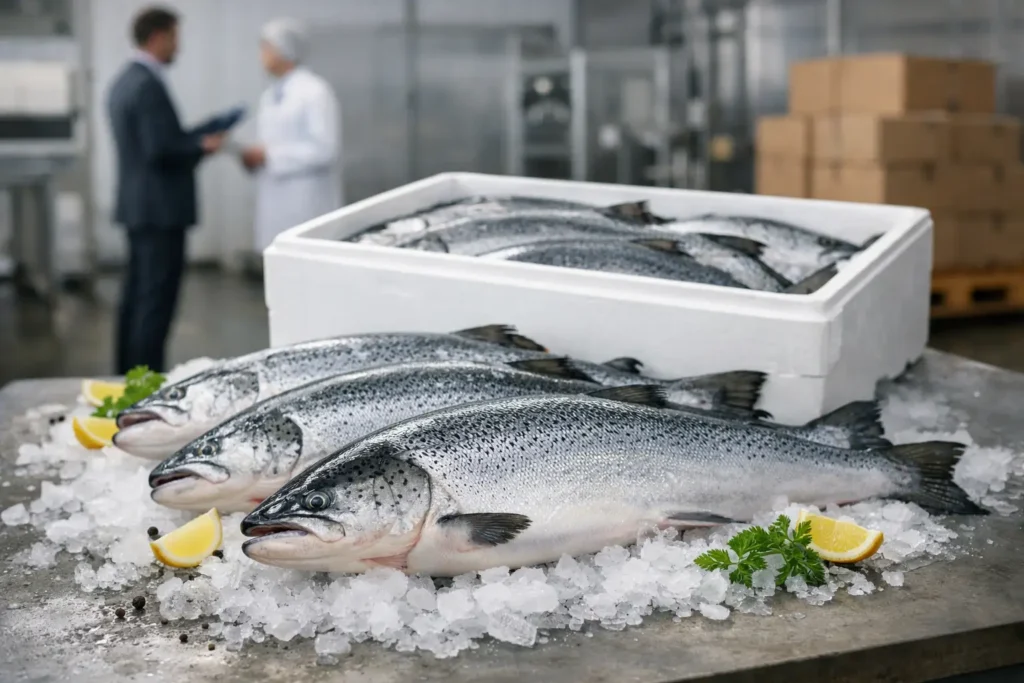
A responsibly farmed salmon program still needs to meet commercial quality requirements. Procurement teams should assess flesh color, fat content, texture, trim accuracy, blood spot tolerance, freshness, packaging integrity, and temperature performance. Sustainability claims do not compensate for inconsistent grading or unreliable logistics.
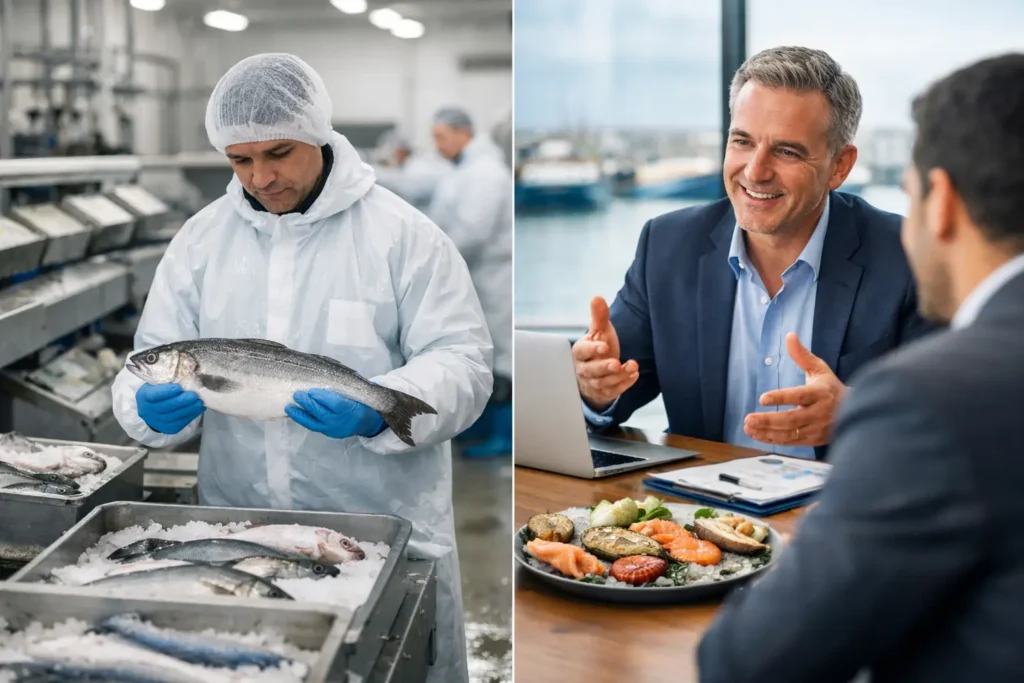
The strongest supply programs connect environmental and welfare practices with factory-level quality systems. This is especially relevant for buyers purchasing multiple formats for different channels. A supermarket may require retail-ready portions with consistent color and labeling, while a processor may prioritize whole fish size, yield, and frozen stability. Restaurants may place greater emphasis on freshness, presentation, and delivery frequency.sustainable norwegian aquaculture
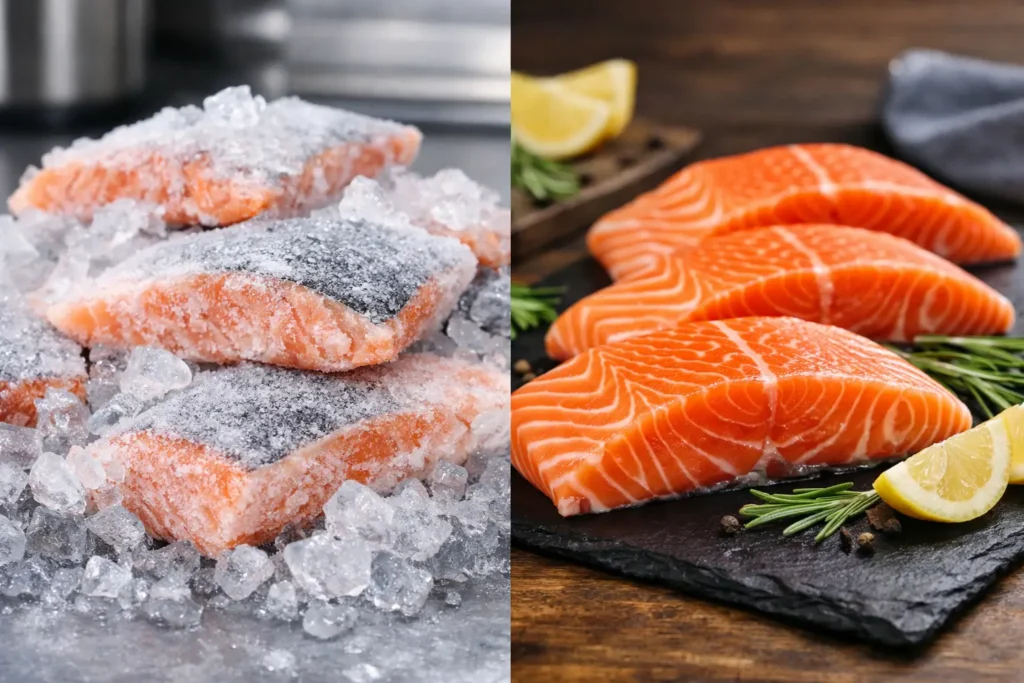
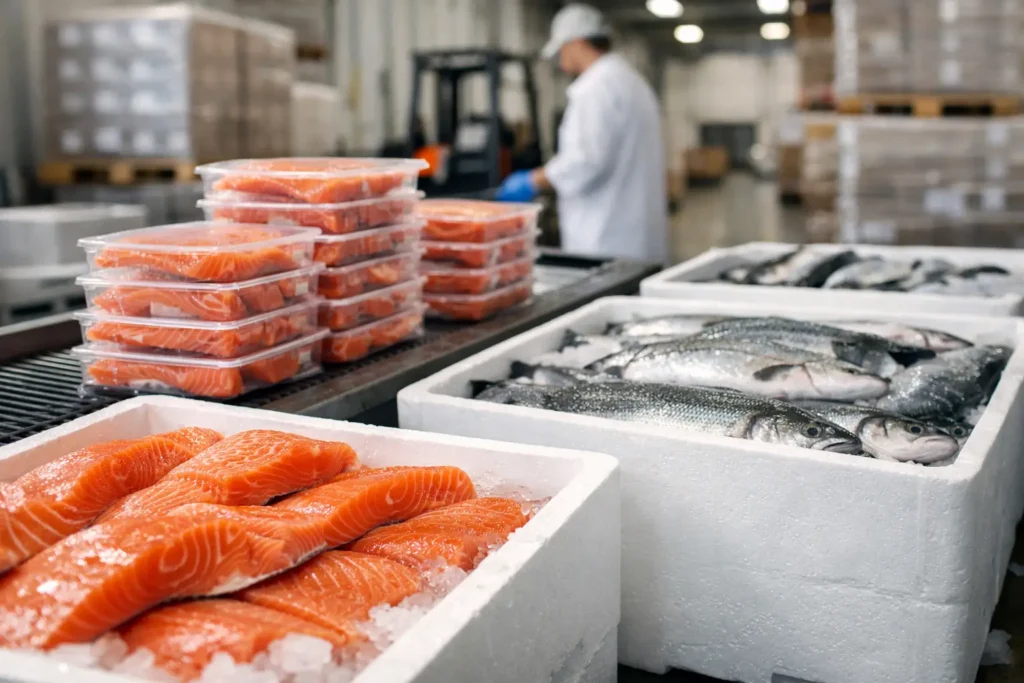
Norwegian salmon and trout can support each of these channels, but the best format depends on the buyer’s operation. Fresh airfreight is appropriate for premium programs with tight lead times, while frozen products can offer inventory flexibility and broader geographic reach. HOG and whole fish can deliver value for customers with in-house processing capacity. There is no universal best option – the right choice depends on yield needs, working capital, storage capacity, and sales channel.sustainable norwegian aquaculture
Why Direct Export Relationships Matter
For international buyers, sustainability information is only useful if it travels reliably with the shipment. Export-ready suppliers need to coordinate product documentation, health certificates where required, customs information, packaging standards, and cold-chain execution. A breakdown in these areas can delay cargo, shorten usable shelf life, and create avoidable cost.
Direct relationships with Norwegian farms and processors also help buyers plan around seasonality, harvest schedules, size availability, and changing market conditions. Rather than purchasing opportunistically through multiple trading layers, buyers can build programs around agreed specifications and forecast volumes. This approach is particularly valuable for distributors and retail groups that need dependable replenishment across several locations.
Nordpoll Seafood supports this model by connecting business buyers with factory-direct Norwegian salmon and trout, including fresh, frozen, whole, trimmed, and HOG formats for export markets. The commercial goal is straightforward: premium seafood with clear origin, efficient procurement, and delivery planning suited to volume buyers.
A Better Standard for Seafood Procurement
Sustainable Norwegian aquaculture should be assessed through evidence, not broad promises. Buyers should expect visibility into farm origin, feed practices, fish-health management, processing controls, and export documentation. They should also recognize the real trade-offs involved in producing premium farmed seafood at scale.
A supplier that can provide this transparency gives procurement teams more than a sustainability statement. It gives them a practical foundation for protecting quality, supporting customer commitments, and building a more dependable seafood program over the long term.